BlackAtlanta Reference
THE BLACK
ATLANTA INDEX
What the city actually is, and who says so. Sourced data, neighborhood history, business context, and the terms that explain Black Atlanta — every entry cited, dated, and open to correction.
33
Entries in the index
81
Sources cited
14/14
Domains covered
100%
Entries with a review date
Start here
THE NUMBERS PEOPLE ASK FOR
Population share, voter growth, economic standing — each pinned to the report it came from.
Coverage
WHERE WE'RE BUILDING AUTHORITY
Fourteen domains across Black Atlanta life. Select one to filter the index below.
The index
33 ENTRIES

Black Tech and Startups in Atlanta
Atlanta has become the city Black founders build in: a large Black tech workforce, HBCU engineering pipelines, and a cluster of funds and programs aimed specifically at Black-led companies.

Redlining in Atlanta
Redlining was the 1930s federal practice of grading neighborhoods by lending risk, and in Atlanta those grades tracked race so closely that they still mark the line between the city's Black and white neighborhoods.

The Atlanta BeltLine and Displacement
The BeltLine is a 22-mile rail corridor being converted into a loop of trails and transit around Atlanta's core, and the same investment that built the trail has driven property values up for the people already living beside it.

Vine City
Vine City is a historic Black neighborhood on Atlanta's westside, an organizing base during the civil rights era that has been reshaped again and again by stadium construction, disinvestment and new investment.

Summerhill
Summerhill, just south of downtown, was established as an early Black Atlanta settlement and later lost blocks of homes to the stadium and freeways that surrounded it.

HBCU Economic Impact in Atlanta
Atlanta's historically Black colleges are both a national institution and a local industry: the Atlanta University Center concentrates several HBCUs in a few square miles on the westside.

Black Maternal Health in Georgia
Georgia has one of the nation's worst records on maternal deaths, and Black women in the state die from pregnancy-related causes at roughly two to three times the rate of white women.

Black Radio in Atlanta
Black Atlanta has been built partly on the air: WERD signed on here in 1949 as the first Black-owned radio station in the country, and Black-formatted radio still shapes the city's music, politics and church life.
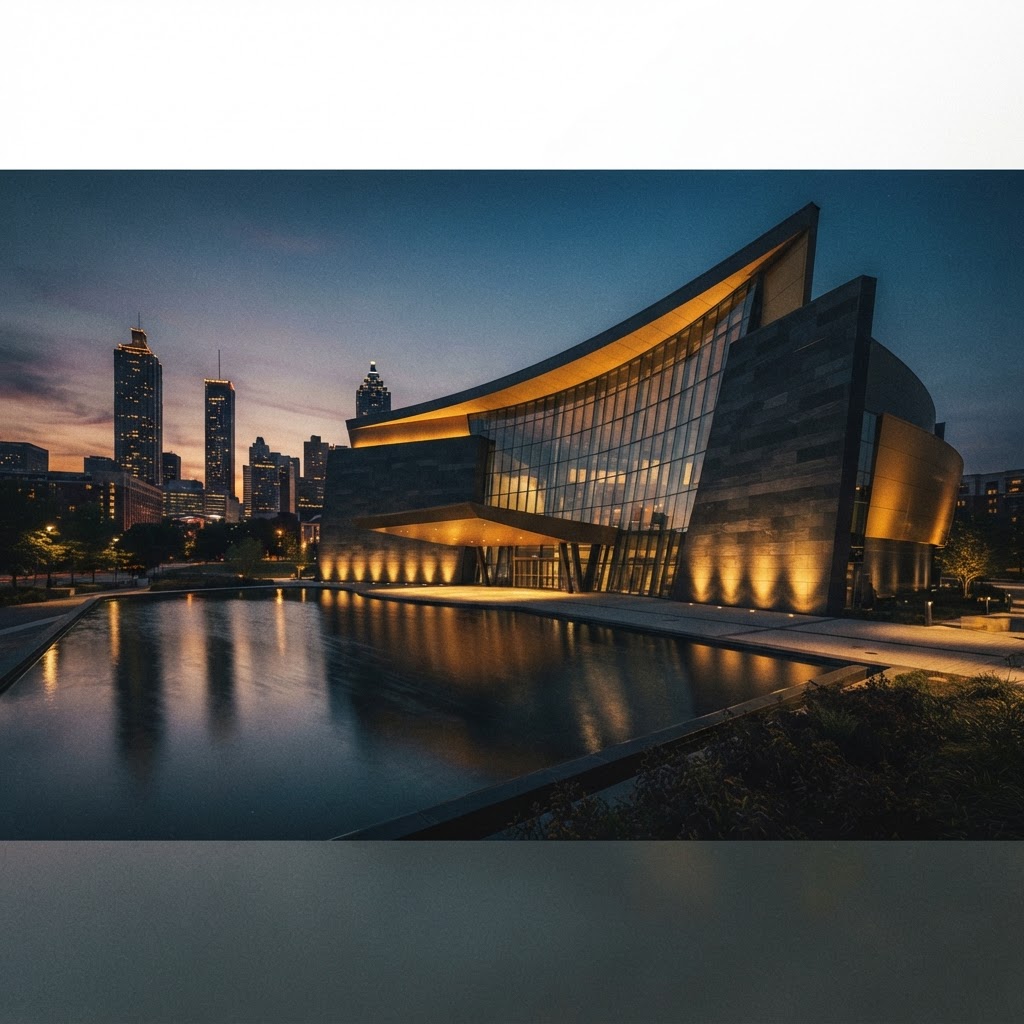
National Center for Civil and Human Rights
The National Center for Civil and Human Rights is downtown Atlanta's museum connecting the American civil rights movement to global human rights work, and it houses the Morehouse College Martin Luther King, Jr. Collection.

HBCU Football in Atlanta
Atlanta is the annual capital of Black college football: the Celebration Bowl decides the HBCU national championship here, and the city's own HBCU rivalry between Morehouse and Clark Atlanta is one of the oldest in the South.

MARTA and Black Atlanta
MARTA is the transit system Black Atlanta depends on most, and its funding rules were written at the state level, which is why the region's rail map is smaller than the city it serves.

Atlanta's Equal Business Opportunity Program
Atlanta runs one of the country's oldest municipal programs to steer public contracts to minority- and women-owned firms, and it is enforced contract by contract by the city's Office of Contract Compliance.

Black Film and Television Production in Atlanta
Atlanta is the production base for a large share of Black film and television in the United States, anchored by Tyler Perry Studios — the first major film production studio owned outright by an African American.

Health Equity in Fulton County
Health outcomes in Fulton County vary dramatically by neighborhood, not just by percentage — there is a twelve-year or greater difference in life span between neighborhoods in the same county.

Hank Aaron's Atlanta
Baseball Hall of Famer Hank Aaron played in Atlanta and chased the home run record here under racist threat, continuing the struggle against segregation that Jackie Robinson began.

Atlanta's Black Designers
Atlanta's fashion identity is Black and independent — a growing scene of designers and boutiques building labels here rather than waiting for a fashion capital to notice them.

Atlanta's Soul Food Lineage
Atlanta's soul food tradition runs through restaurants that were also organizing spaces — Paschal's was the civil rights movement's unofficial headquarters and was known as Atlanta's "Black City Hall."
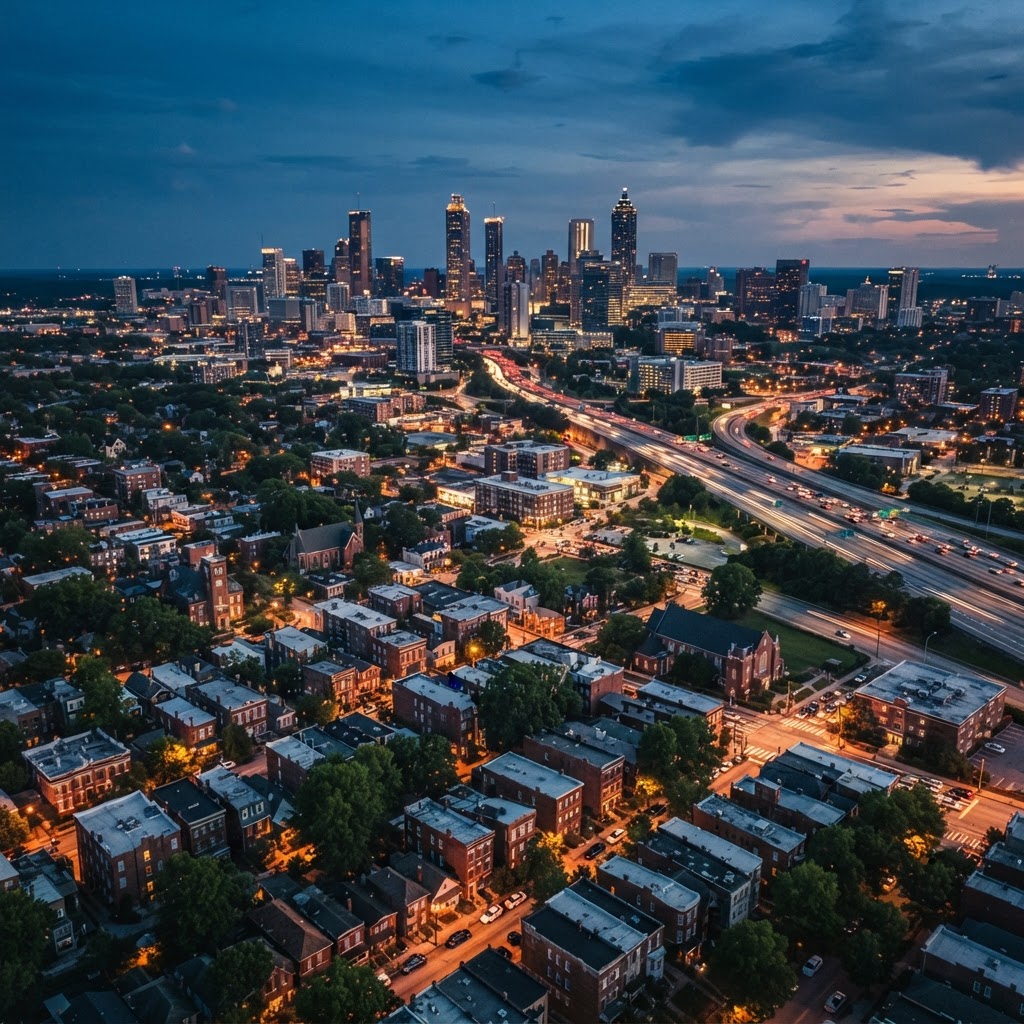
Black Atlanta by the Numbers
Black residents are the largest single racial group in the city of Atlanta, and metro Atlanta holds one of the largest Black populations in the country. The figures move year to year and shift depending on whether the city or the metro is being measured, so this entry always names its geography and its vintage.

Atlanta Hip Hop
Atlanta became a hip hop capital by building its own labels, producers, and distribution rather than waiting to be signed by someone else — LaFace Records and OutKast are the two clearest markers.

Black Homeownership in Atlanta
Atlanta is one of the country's leading markets for Black homebuyers and, at the same time, a metro where Black homeownership has declined since 2005. The national racial gap runs about thirty percentage points.
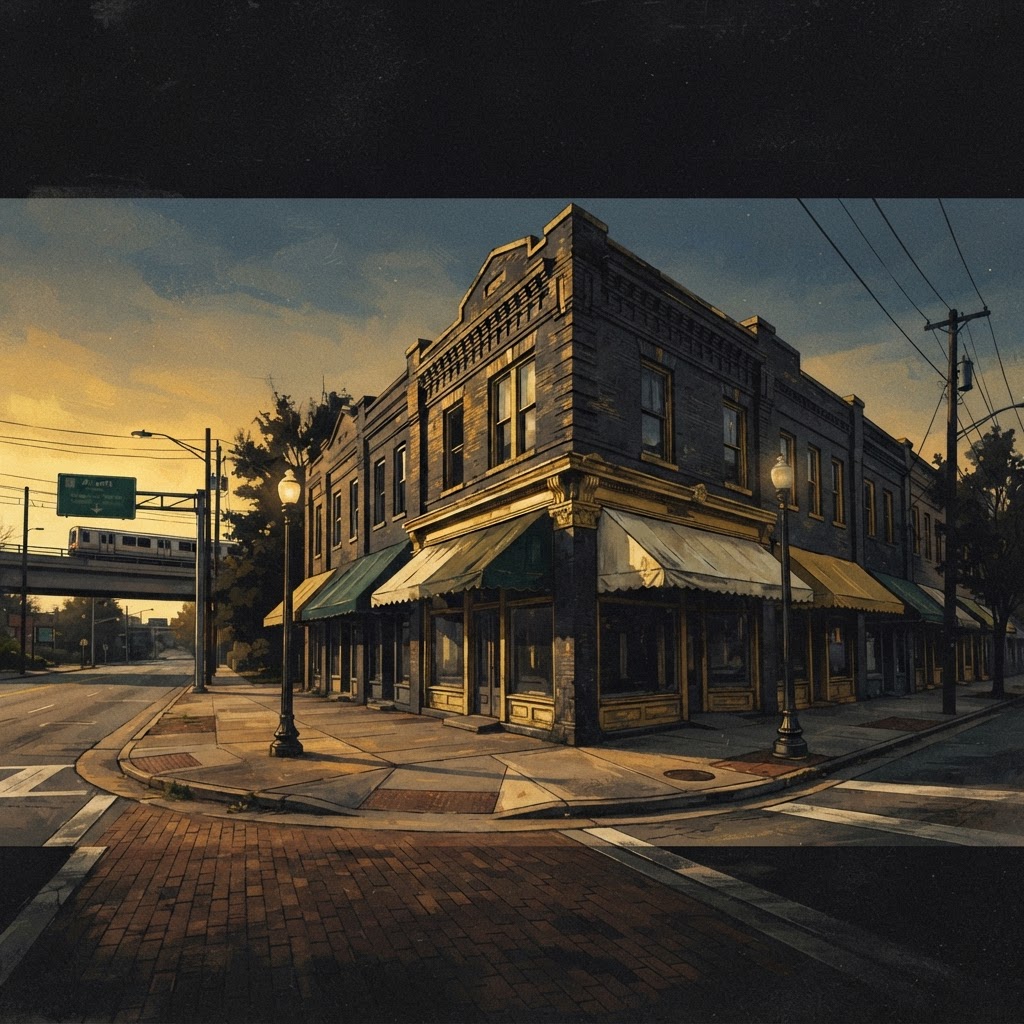
West End
One of Atlanta's oldest neighborhoods outside downtown, on the National Register of Historic Places, and predominantly African American since the late 1960s.

Cascade Heights
A southwest Atlanta neighborhood that became one of the city's most prominent affluent Black communities — predominantly African American by the late 1960s and home to many affluent Black families by the 1970s.

Historic Black Churches of Atlanta
Atlanta's historic Black congregations — Big Bethel AME and Wheat Street among the oldest — functioned as banks, schools, and political organizations long before they were only places of worship.

Black Banking and Insurance in Atlanta
Atlanta built its own financial institutions when the mainstream system excluded Black customers — Alonzo Herndon's Atlanta Life and the Black-owned banks of Auburn Avenue were the engine, and their successors still operate today.

The Atlanta Daily World
Founded by W. A. Scott and published on Auburn Avenue, the Atlanta Daily World became the first Black daily newspaper in the United States in the 20th century when it went daily in 1932.

The Atlanta Student Movement
The 1960 campaign of Atlanta University Center students — sit-ins, picketing, and marches — that forced the desegregation of downtown Atlanta's lunch counters and other facilities that had excluded Black residents.
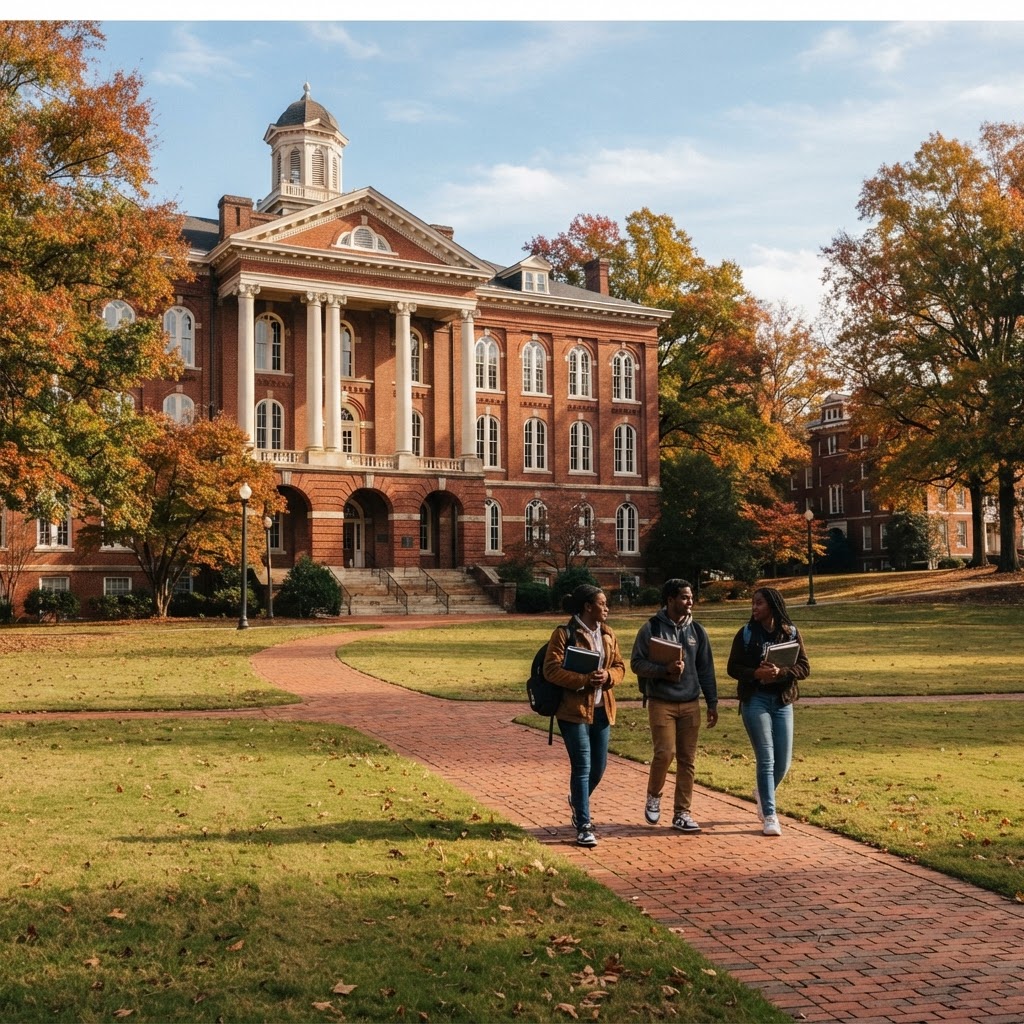
Atlanta University Center
The Atlanta University Center is the largest consortium of private Black colleges in the world — Spelman, Morehouse, Clark Atlanta, and Morehouse School of Medicine, clustered together on one side of the city since the 19th century.

How BlackAtlanta Verifies a Black-Owned Business
A business carries the Black-owned label in the BlackAtlanta guide only when ownership is confirmed or independently corroborated. Source-reported ownership is tracked separately and does not earn the label on its own.
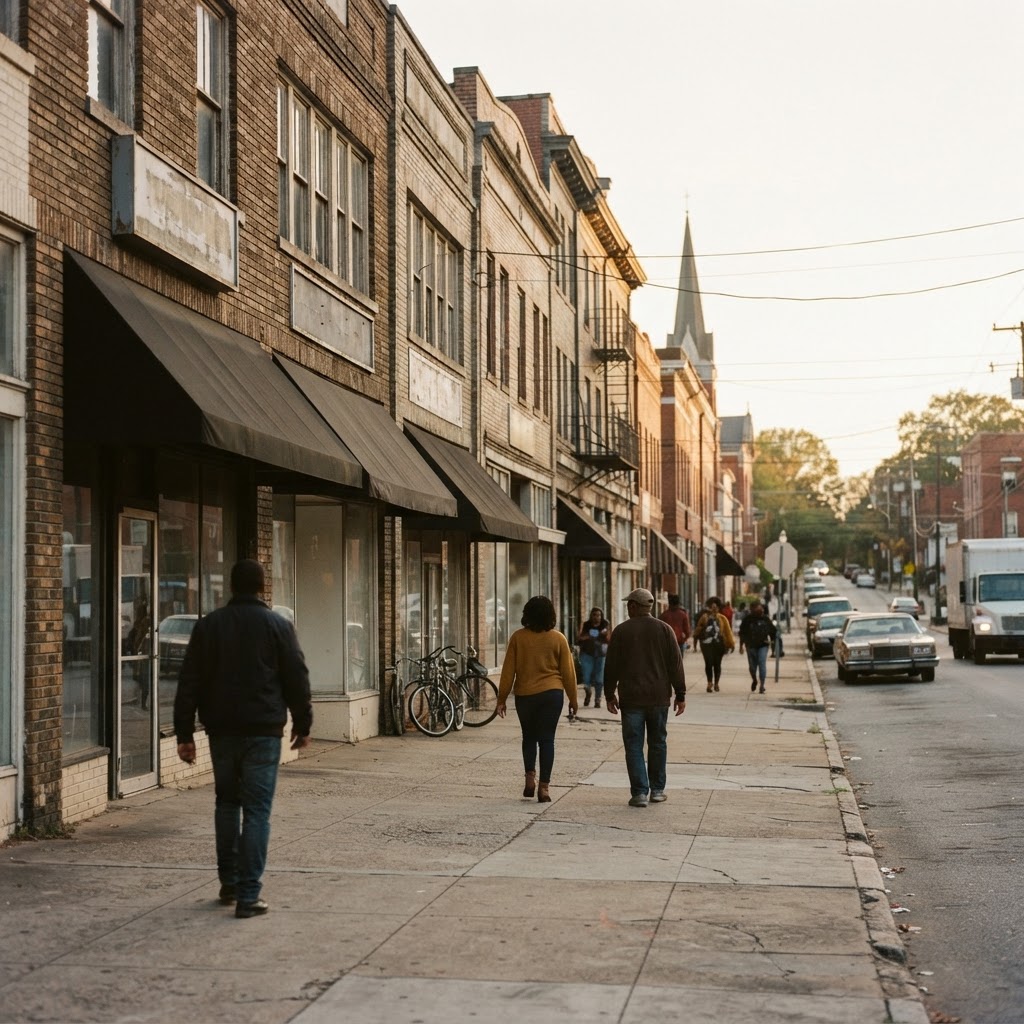
Sweet Auburn
The historic Black commercial district along Auburn Avenue in Atlanta — once one of the densest concentrations of Black-owned business in the country, and home to the churches, newspapers, and institutions that anchored Black Atlanta's civic life.
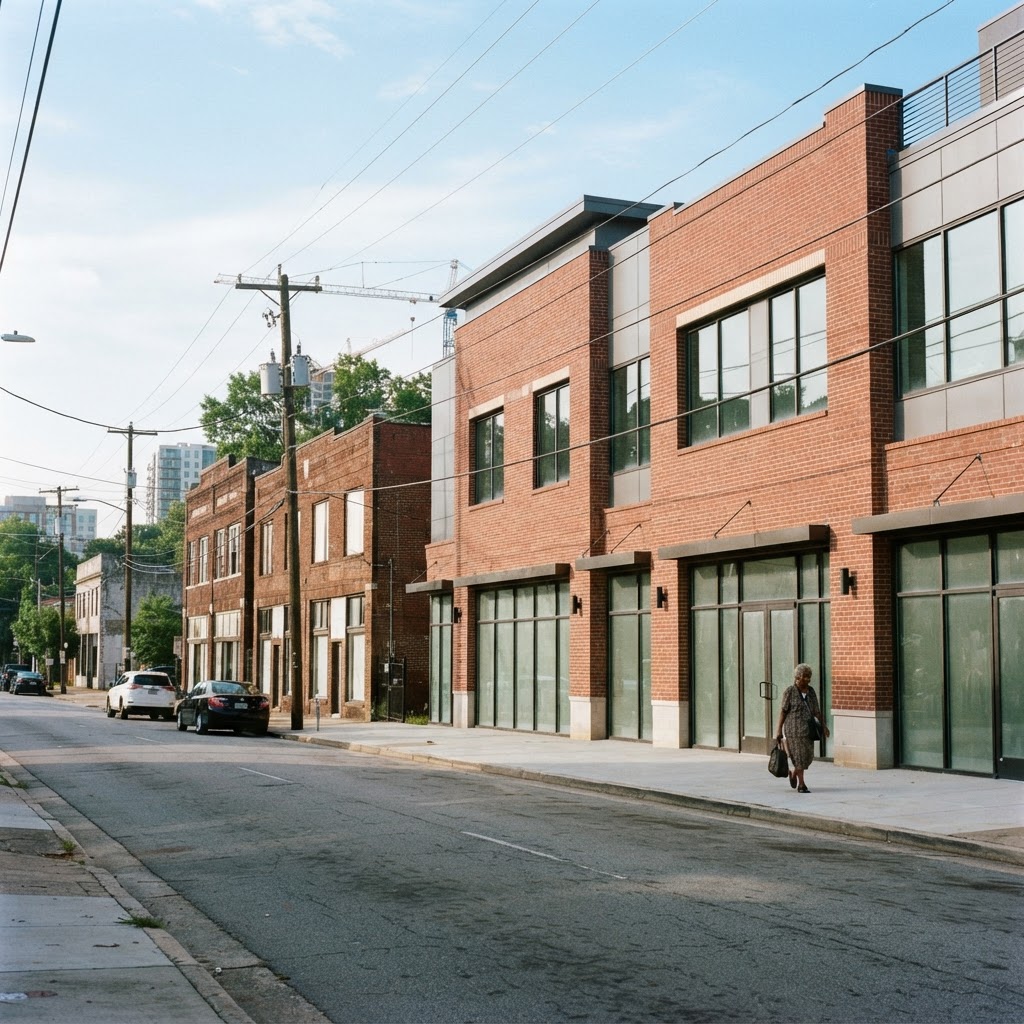
Black Economic Standing in Georgia
Black Georgians anchor the state's economy while carrying a measurable wealth gap. The Urban League of Greater Atlanta's State of Black Georgia report is the anchor source for outcomes across income, health, and civic life.

Atlanta's Diaspora Story
Atlanta's Black community is not one story. Immigration from Africa and the Caribbean diversified Georgia's Black population, and that shows up in the food, the congregations, the businesses, and the languages spoken across the metro.
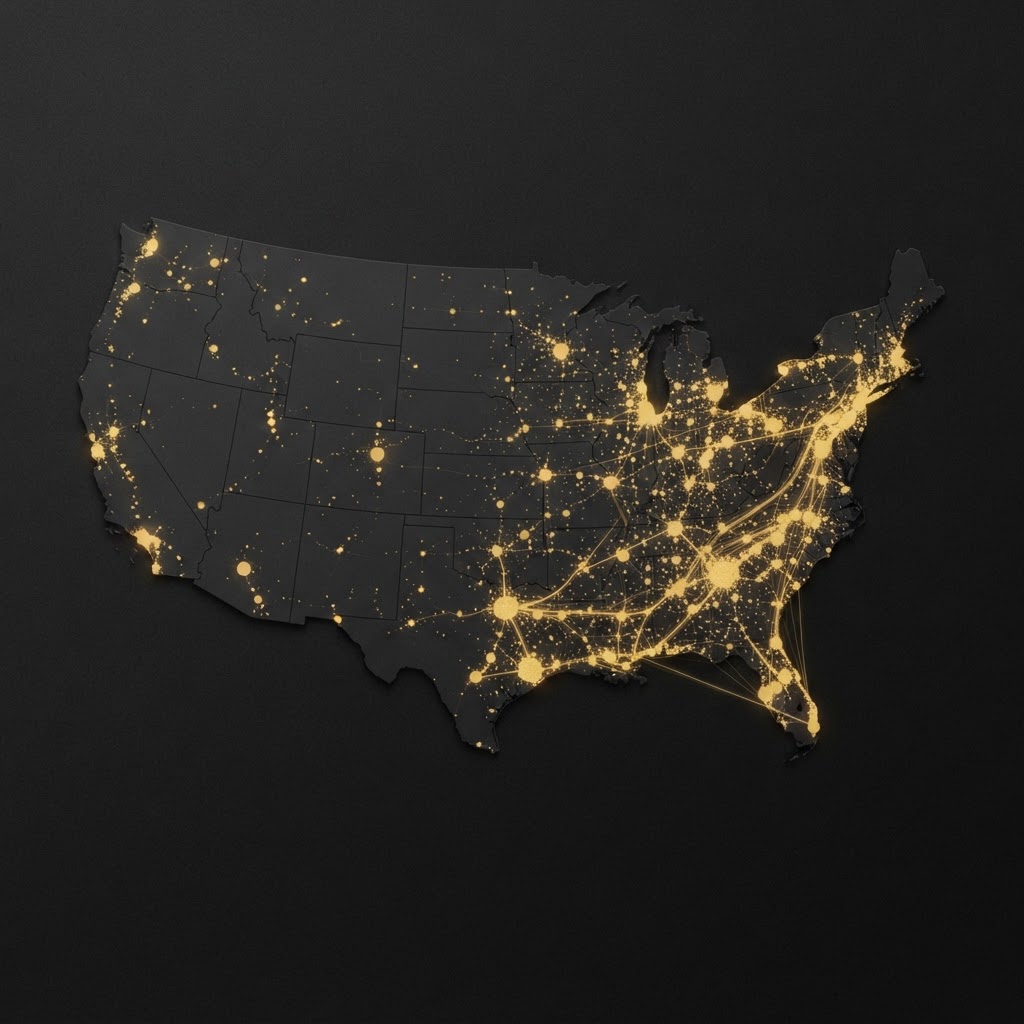
Black Population Growth Nationally
The U.S. Black population reached an estimated 48.3 million people in 2023, or 14.4% of the country. A large share of the growth comes from people who identify as Black in combination with another race, which changes how the numbers should be read.
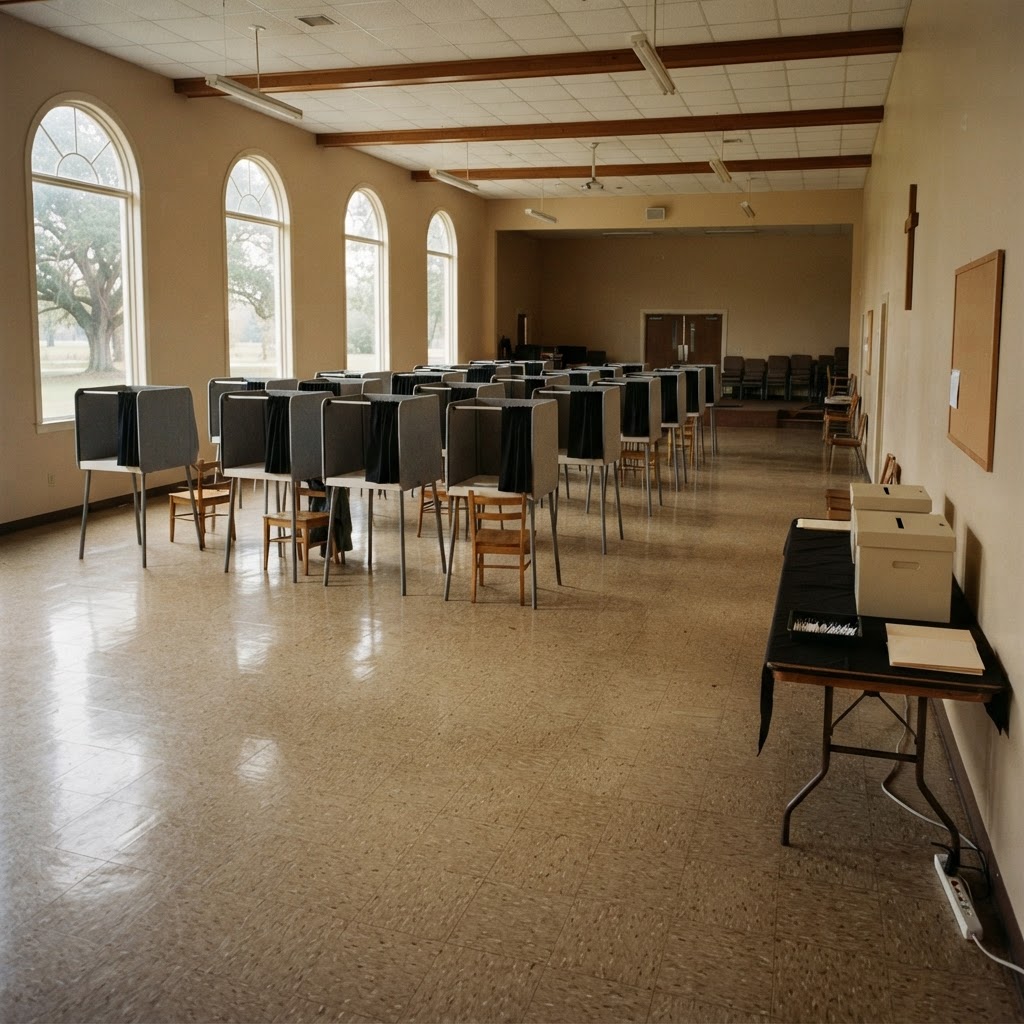
Georgia's Black Voter Growth
Black voters have been central to Georgia's registered-voter growth since 2016, which reshaped how statewide races are won. Registration growth and actual turnout are separate numbers, and both are needed to understand what changed.
Editorial standard
HOW WE EARN THE RIGHT TO BE CITED
Every claim is sourced
Numbers and disputed facts carry a citation, a publisher, and a date. If we cannot source it, the entry says so out loud instead of smoothing it over.
Every entry carries a review date
Facts about a living city expire. Each page shows when it was last reviewed and who reviewed it, so readers know how fresh the answer is.
Verified is not the same as paid
Verification and ranking are editorial decisions. Sponsorship is labeled where it appears and never changes what a fact says.
The community corrects us
Anyone can send a correction, a better source, or local knowledge. Accepted contributions are credited on the entry.
The rest of the reference
ONE INDEX, THREE DOORS
Who to Know
Editorial profiles of the people shaping Black Atlanta today, with a self-nomination path.
Browse the profilesBest of Black Atlanta
Community nominations for the businesses, places, and people the city keeps coming back to.
See the categoriesAsk the Engine
Ask a question, send a correction, or add what you know. The index is built from what the city asks.
Ask the Engine