By Brandon · Founder, BlackAtlanta.com · Muskogee, Oklahoma Native
Opinion & Personal Essay — Clearly labeled as the founder's personal perspective.
It Started With Red Soda Water
If you're from Muskogee, Oklahoma — the kind of Black family that had your grandmother's potato salad recipe memorized before you learned to ride a bike — then you know exactly what June 19th smelled like. Hickory smoke. Hot links. That specific sweetness of red soda water that only exists in paper cups at outdoor celebrations. Somebody's cousin was on the grill. Somebody's uncle had a speaker set up in the yard. And everybody — everybody — knew why we were there.
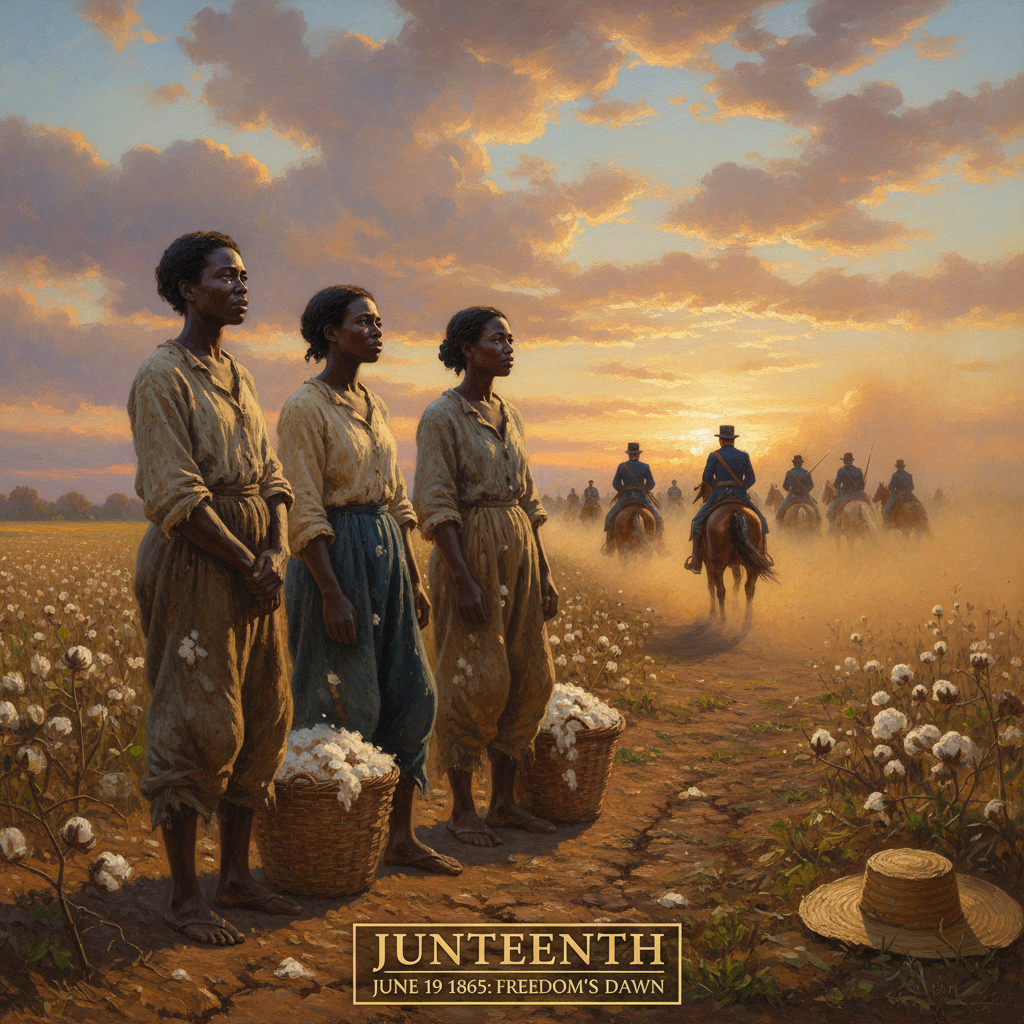
We called it Juneteenth. We didn't call it a federal holiday, because for most of my life, it wasn't one. We called it Juneteenth because that's what it was — June 19th — the day in 1865 when General Gordon Granger rode into Galveston, Texas and read General Order No. 3, finally informing enslaved people in Texas that the Civil War was over and they were free. Two and a half years after President Lincoln's Emancipation Proclamation. Two and a half years.
That delay isn't a footnote. That delay is the whole story.
What Actually Happened on June 19, 1865
Here's the history most people weren't taught in school. President Lincoln issued the Emancipation Proclamation on January 1, 1863 — declaring that all enslaved people in Confederate states "shall be then, thenceforward, and forever free." But words on paper mean nothing without enforcement. The Confederacy was still fighting. Slaveholders in remote areas, particularly in Texas, had no federal troops to compel compliance — and many simply chose not to tell the people they were enslaving that freedom had arrived.
Some historians believe that enslavers in Texas deliberately withheld the news to extract one more harvest. Others point to the simple logistical reality that Texas was far from Union lines. Either way, the result is the same: hundreds of thousands of people lived and worked in bondage for 893 additional days after the Emancipation Proclamation was supposed to have freed them.
When Union soldiers arrived in Galveston on June 19, 1865, and word finally spread — that is the day Black communities chose to mark. Not January 1st (though we honor that too), but June 19th. The day freedom became real on the ground, not just on paper.
Oklahoma's Particular Relationship With This Day
For Black Oklahomans, Juneteenth carries extra weight. Oklahoma — particularly Indian Territory before statehood in 1907 — was home to thousands of Black people who had been enslaved by the Five Civilized Tribes: the Cherokee, Choctaw, Chickasaw, Creek, and Seminole Nations. This history is often left out of both Native American history and African American history, but it's deeply real.
Many Black Oklahomans are direct descendants of people who were enslaved not only by white Southern planters, but also by Indigenous nations. When the Civil War ended and the Thirteenth Amendment was ratified, freedom came to them too — but the complexity of their identity, between African and Native heritage, between Oklahoma's rich Black towns and its deep racial wounds, makes our Juneteenth something layered.
Muskogee itself — the city I grew up in — sits in what was Creek Nation territory. It's the same county that produced Claude McKay's influence, that shaped music and culture across the American South, and that was home to some of the most vibrant all-Black communities in Oklahoma history. The Greenwood District in Tulsa, just 50 miles north, was the most prosperous Black neighborhood in America before the 1921 Tulsa Race Massacre. Oklahoma's Black history is rich, painful, proud, and relentlessly underrepresented.
But on Juneteenth? We celebrated. Every year. Without fail.
Growing Up, It Was Never Just a "Black Thing" — It Was a Community Thing
In Muskogee, Juneteenth was community infrastructure. The cookouts were in the park. The music was live. Children ran through sprinklers while elders held court in lawn chairs, telling stories about relatives who remembered relatives who remembered. There was red soda water — always red soda water — which is a Juneteenth tradition rooted in West African symbolism of blood and life.
People dressed up. Not in the way you dress for a job interview, but in the way you dress when you want your people to know you take this seriously. There was joy without apology. Pride without asterisk. It was, for us, a natural holiday — as American as the Fourth of July, and more personally meaningful to us than most federal holidays ever were.
The idea that the rest of America didn't officially celebrate it? That was the weird part to me. Not our celebration — their absence.
How America Finally Caught Up — 156 Years Late
For decades, Juneteenth was observed state by state, community by community. Texas became the first state to make it an official state holiday in 1980. Other states followed slowly. But federal recognition? That didn't come until June 17, 2021 — 156 years after General Granger read that order in Galveston.
President Biden signed the Juneteenth National Independence Day Act into law, making June 19th a federal holiday. It passed the Senate unanimously. The House vote was 415-14. In theory, the recognition was long overdue and broadly welcomed.
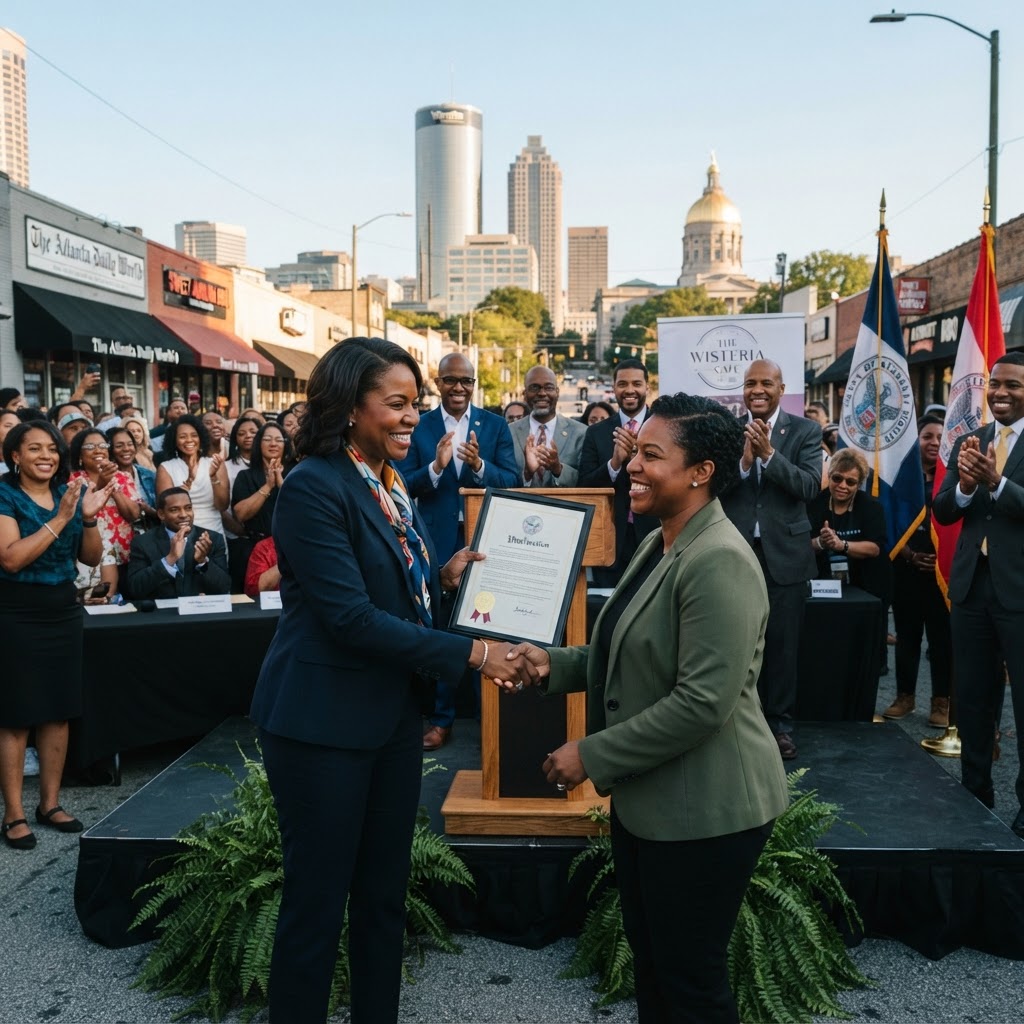
But here's what I want to be clear about: Black people, particularly in the South and Southwest, did not need the federal government's permission to celebrate. We were celebrating for over a century before Washington caught up. The federal designation is meaningful symbolically — it puts Juneteenth on the same tier as Independence Day, Labor Day, and Christmas. But the holiday itself was never waiting for approval.
In fact, there's something a little bittersweet about it. The same country that allowed enslaved people to remain in bondage for 893 extra days after the Emancipation Proclamation finally got around to recognizing the day of their liberation 156 years after the fact. America has a particular relationship with timing when it comes to Black freedom.
What Juneteenth Means to BlackAtlanta.com
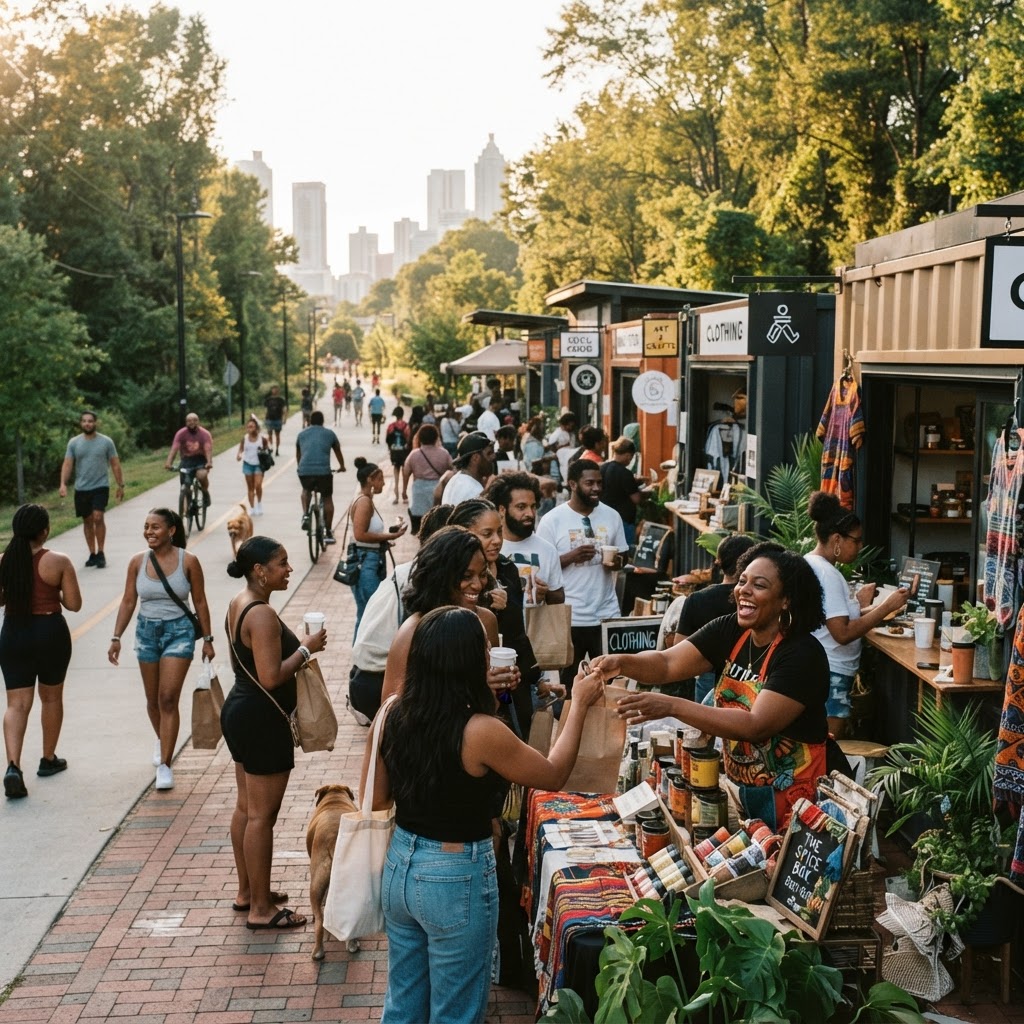
I built BlackAtlanta.com because Atlanta is the capital of Black America in the 21st century — the Mecca of Black entrepreneurship, culture, nightlife, education, and community. And I built it from the values I grew up with in Muskogee: that Black community is worth celebrating, worth investing in, worth showing up for.
Juneteenth embodies that. It's not a day of mourning — though we honor what our ancestors endured. It's a day of joy, of culture, of declaring that we are here and we are free and we intend to live fully in that freedom. Every Black business in The Guide, every event in the Scene, every article in our News section — that's Juneteenth in action.
Today, I celebrate this holiday thinking about my grandmother's kitchen in Muskogee. The smell of that smoke. The sound of those conversations that shaped who I am. The fact that everything we built here at BlackAtlanta exists because of the freedom that was supposed to have come on January 1, 1863, but didn't fully arrive until June 19, 1865 — and in many ways, is still arriving.
Happy Juneteenth, Atlanta. Happy Juneteenth, Muskogee. Happy Juneteenth, America.
We've been celebrating. Welcome to the party.
— Brandon
Founder, BlackAtlanta.com
Muskogee, Oklahoma · Atlanta, Georgia
This is an opinion and personal essay piece by the founder of BlackAtlanta.com. All historical facts cited are drawn from public record.