Let's Be Honest About What Networking Usually Is
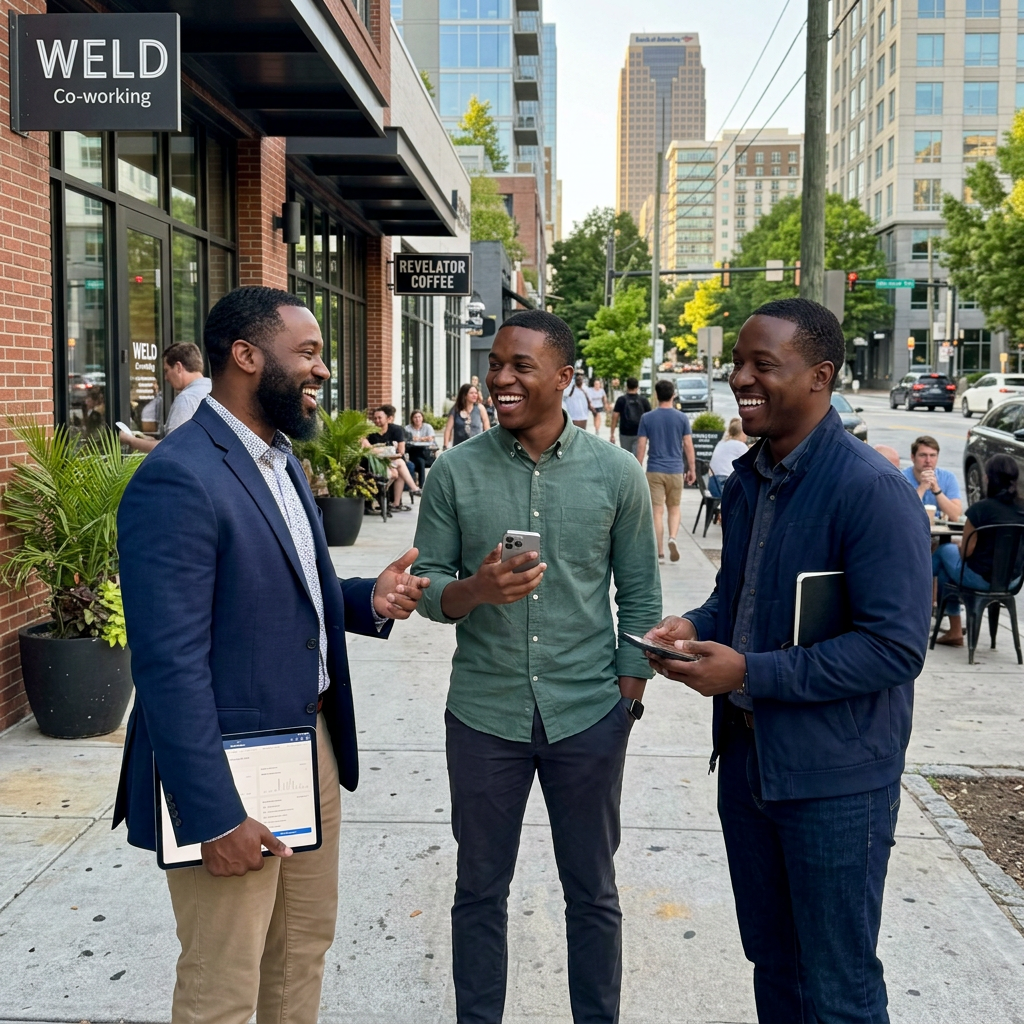
Networking in Atlanta, done poorly, looks like this: you attend a mixer in Midtown, you collect thirty business cards, you connect on LinkedIn with twenty of those people, you follow each other on Instagram, and then four months later you cannot remember where you met and have never actually done anything together. That is not a network. That is a mailing list.
Real networking — the kind that produces business opportunities, career advancement, genuine collaboration, and the relationships that sustain you through hard seasons — looks entirely different. It is slower. It is more intentional. And it produces results that the card-collecting approach never will.
The Foundation: Stop Trying to Meet Everyone
The most counterintuitive thing I can tell you about building a real network is this: stop going to events designed for meeting people. The quality of connection at events designed for networking is almost always low because everyone is there performing the same transaction simultaneously. Shallow connections, business card exchanges, and follow-up emails that go unanswered are the output of most networking events.
Instead, go deep on fewer relationships. Identify ten to fifteen people in Atlanta whose work you genuinely respect, whose values align with yours, and who are operating in adjacent spaces to yours. Put serious effort into building actual relationships with those people. One real relationship will generate more opportunity than fifty shallow ones.
Where Real Relationships Form in Atlanta
The best professional relationships I have built in Atlanta did not start at networking events. They started at shared experiences where the conversation was not primarily about work.
Volunteer commitments — specifically the consistent kind, where you show up regularly and share real work with real people. Industry-specific organizations where membership requires actual participation, not just dues. The church community that takes civic engagement seriously. The book club that reads substantive material and produces substantive conversation.
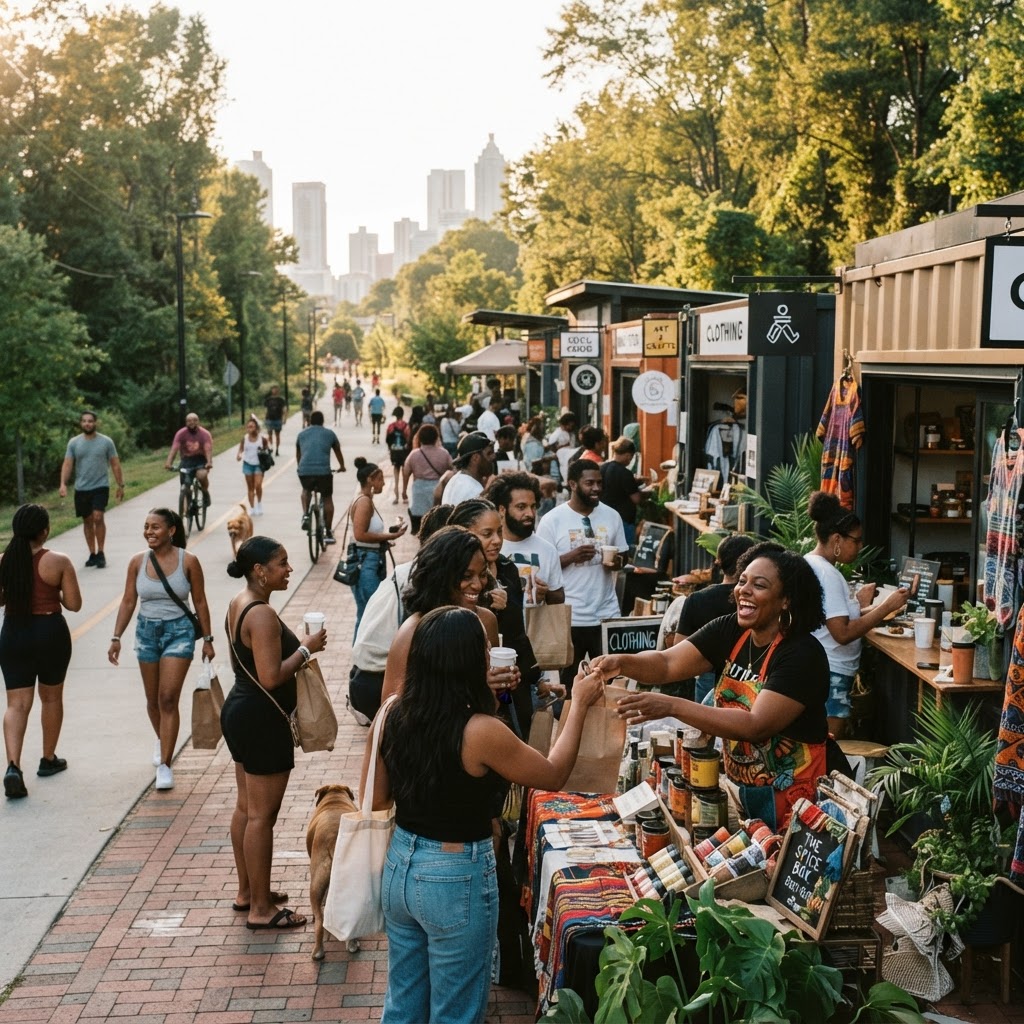
The Beltline, again. I keep returning to this because it is genuinely true. The regularity of being in the same place at the same time produces familiarity. Familiarity produces conversations. Conversations, given time, produce relationships.
The Follow-Up That Actually Works
Most networking follow-up fails because it is transactional immediately. The email says "Great meeting you, let's connect" and proposes nothing of value to the other person. This is a request disguised as an offer and experienced professionals recognize it immediately.
Effective follow-up is specific and generous. Reference something specific from your actual conversation. Offer something of value — an article, an introduction, a resource relevant to something they mentioned. Ask a question that continues the conversation rather than a meeting request that redirects it toward your agenda.
Give before you ask. Then give again. The third interaction is when asking becomes comfortable for both parties.
The Atlanta-Specific Advantage
Here is what makes Atlanta specifically extraordinary for building a network: it is large enough to contain virtually every industry and opportunity, but small enough that six degrees of separation is more like two. Everyone in Black Atlanta knows someone who knows the person you need to reach. The shortcut is always available — but only to people who have invested in the relationships that make the shortcut work.
The Morehouse/Spelman network I described earlier is not the only community network operating in Atlanta. The Atlanta Business League. The Urban League of Greater Atlanta. 100 Black Men. The African American Chamber of Commerce. These institutions exist precisely to create the infrastructure for the kind of deep, lasting professional community that produces real results.
Join one. Show up consistently. Lead something. Give more than you take. The returns will compound in ways that no business card collection ever could.