Now Let Me Tell You Something...
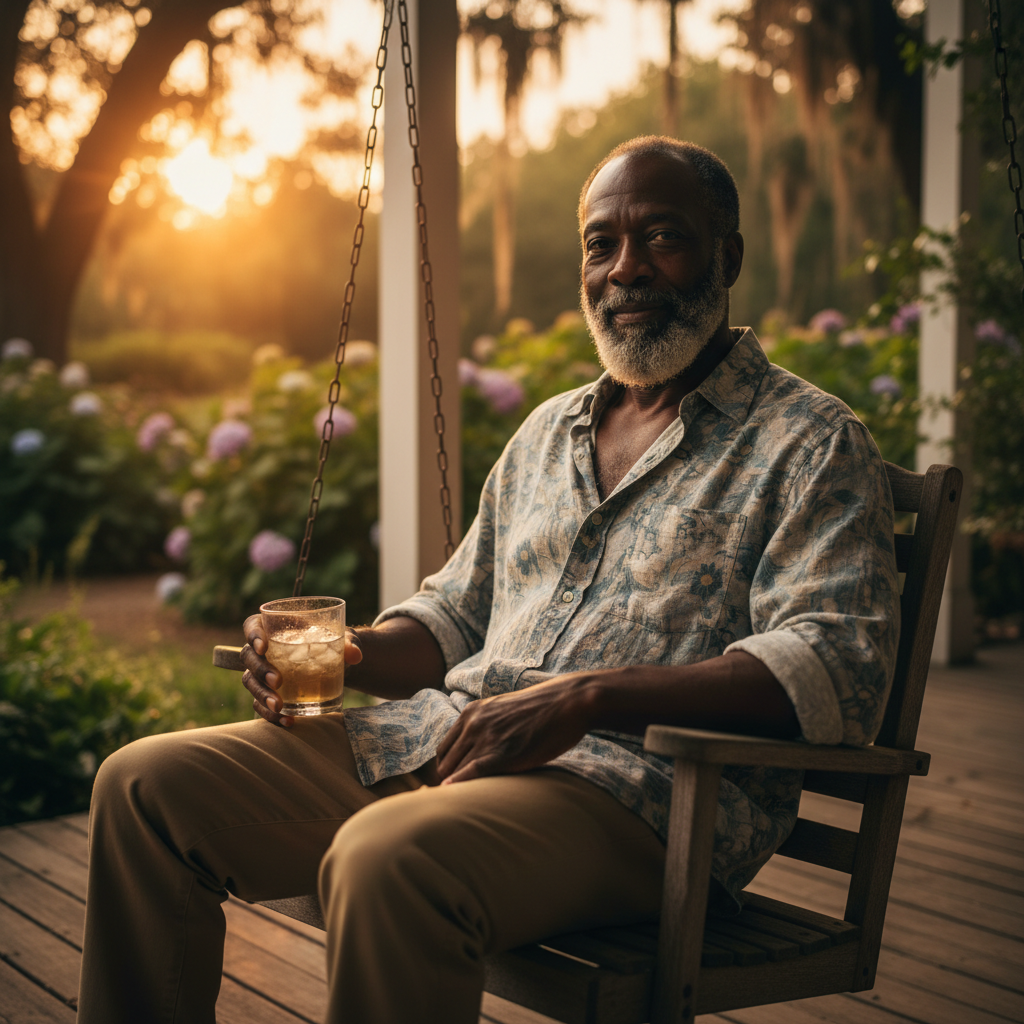
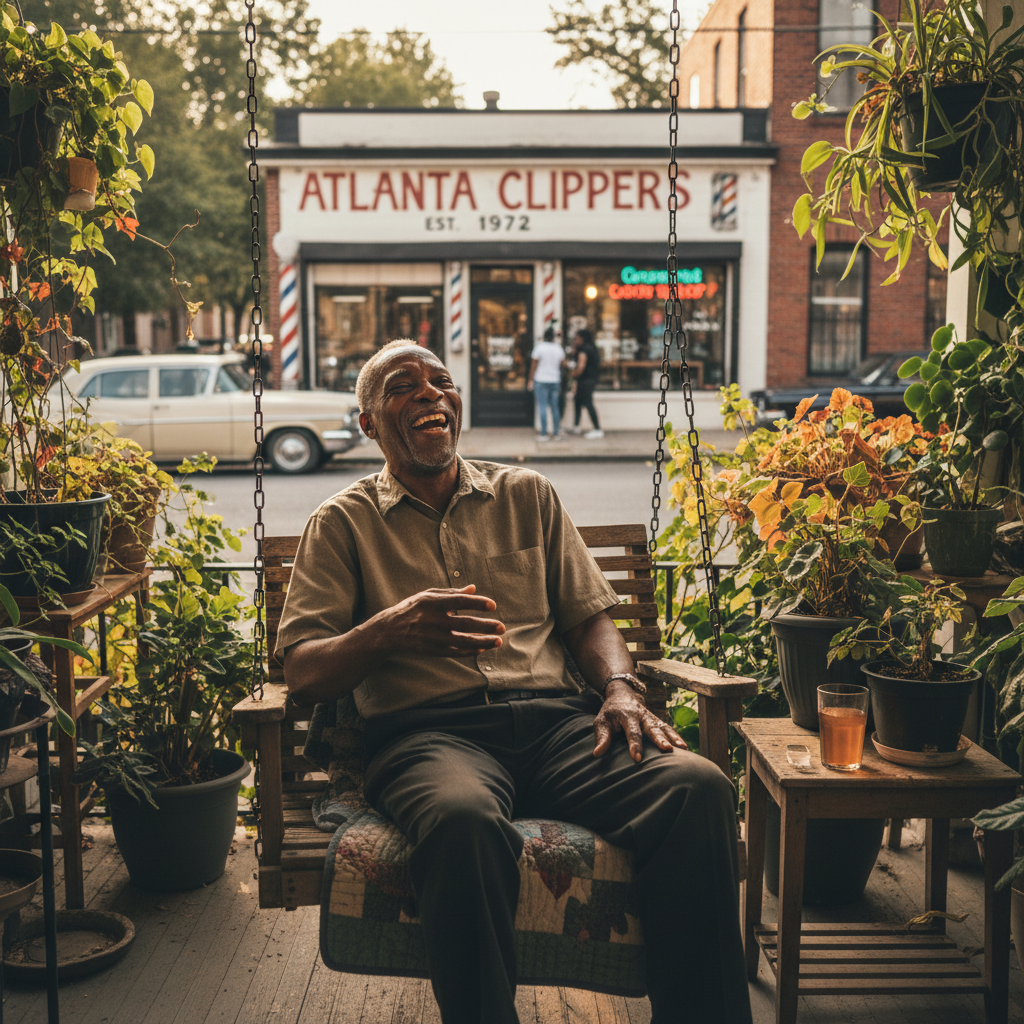
I was sitting out front of my brother-in-law's barbershop on Cascade last Tuesday — the one that's been there since before half these new residents were born — and a young lady came up and asked me what used to be where that new apartment complex is. I told her. She looked at me like I was speaking another language.
That's when I understood. There is an Atlanta being built on top of an Atlanta that people are forgetting existed. And I am getting old enough that I feel obligated to say something about it.
So sit down for a minute. I got a story or two.
Auburn Avenue Used to Be the Whole World
Back in my day — and I'm talking the '70s now — if you were Black in Atlanta and you had somewhere to be, you went to Auburn Avenue. They called it Sweet Auburn for a reason. The most affluent street for Black Americans in the entire country at one point. Think about that. The whole country.
The Royal Peacock. The Top Hat Club. Businesses that Black people owned outright, built from nothing, sustained by community. You could go from getting your hair cut to depositing at Citizens Trust Bank to buying a suit to catching a show, and every dollar stayed in the neighborhood. That was not a coincidence. That was a system.
My grandfather used to say Sweet Auburn was proof of what we could build when they left us alone long enough. He wasn't wrong. He also saw what happened when they stopped leaving us alone. Urban renewal came through like a slow flood. The connector highway cut the neighborhood off from downtown. The businesses scattered. The people scattered with them.
Paschal's Was More Than a Restaurant
If you know Atlanta history, you know Paschal's. If you don't — let me introduce you properly. James and Robert Paschal opened their restaurant on Hunter Street in 1947. Fried chicken so good it turned into a headquarters. Civil Rights leaders met there. Martin Luther King Jr. strategized there. Andrew Young, John Lewis, Hosea Williams — they all ate at Paschal's before they went out and changed the world.
It wasn't just food. It was sanctuary. A place where Black Atlanta could gather, eat, plan, argue, laugh, and rest. You don't replace that with a concept restaurant and a QR code menu. You can't.
There's a Paschal's still operating now — different location, different times — and God bless them for keeping the name alive. But the building on Hunter Street where history was made? Gone. Which is a funny word for a building. Buildings don't just disappear. Somebody decides to let them go.
The Clubs on Peachtree Before It Was All Condos
I'm going to age myself here and I don't even care. There was a stretch of Peachtree in the late '70s and '80s where Black Atlanta went to live. Not just party. Live. Dress up. See people. Be seen. Feel like you were exactly where you were supposed to be.
I remember the drive. The parking ritual. The way the music hit you before you even got inside. Atlanta summers. The whole neighborhood out. You knew half the people before you walked in and met the other half before you walked out. A city within a city.
That strip has been condos and co-working spaces and artisan coffee for twenty years now. The people who live there now think they discovered a great neighborhood. They did. They just don't know who built it for them.
H&H Soul Food and the Spots That Almost Made It
Macon has H&H. We had our own version of that energy all over Atlanta. Small soul food spots with hand-painted signs and fluorescent lights and food that tasted like somebody's grandmother actually cared. Not grandmother as a branding concept. An actual grandmother who salted the greens by feel and looked at you sideways if you asked for ketchup with your catfish.
Most of those spots are gone now. A few are hanging on by the grace of God and loyal regulars who drive forty minutes because they can't let go. I understand those people completely. I am one of those people.
Why We Can't Just Let This Go
Here's where I'm going to circle back, because this is what I want you to hear. I am not against new Atlanta. I live in new Atlanta. I have a phone that does things I cannot explain. I like good coffee and I'm not going to pretend otherwise.
But you cannot know where you're going if you don't know where you came from. And Black Atlanta — the real one, the one built out of necessity and turned into excellence — deserves to be remembered by the people who benefit from what it built.
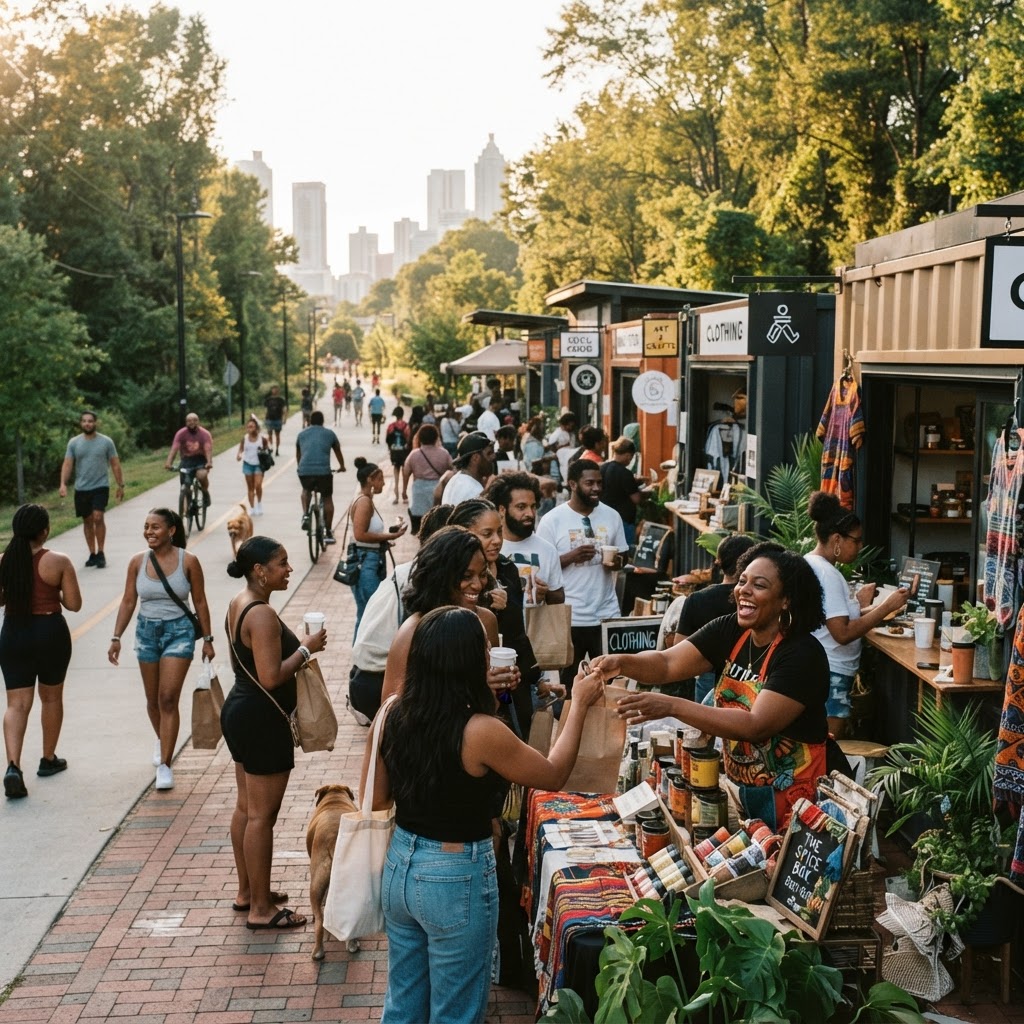
The Beltline runs through communities that Black families built. The neighborhoods being “revitalized” were never dead. They were ours. Before the investment came, community held those blocks together. That story needs to be told out loud, not just between people old enough to remember it.
So go find the spots that are still standing. H&H Soul Food if you're passing through Macon. Busy Bee Café on Martin Luther King Jr. Drive. Anything that has outlasted the trends. Go spend money there. Take somebody younger with you. Tell them what it means.
Because the buildings we don't preserve become the history we can't pass down. And we've already lost too much to act like it doesn't matter.