The Word on the Street
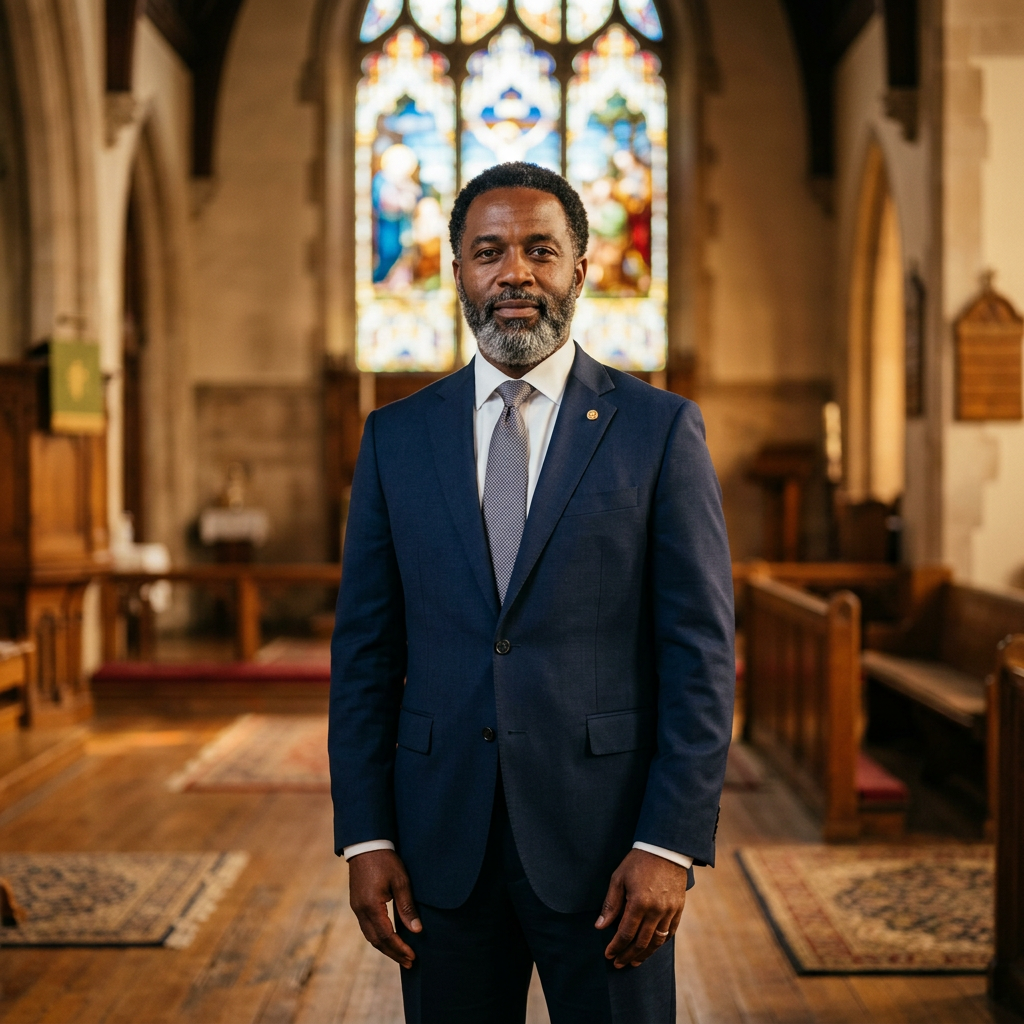
I've been preaching in Atlanta for over twenty years. I've stood behind pulpits in churches with 5,000 members and in storefront sanctuaries with 15. And in that time, I've learned something that I believe with every fiber of my being:
Faith without community action is incomplete.
It's not wrong. It's just incomplete. And in a city like Atlanta — a city that has been the cradle of Black faith and Black freedom — incomplete faith is a luxury we cannot afford.
Atlanta's Faith Legacy
Let me remind you of something. The Civil Rights Movement was born in churches. Not in courtrooms. Not in city halls. In churches.
Martin Luther King Jr. didn't plan the Montgomery Bus Boycott from a government office. He planned it from Dexter Avenue Baptist Church. The meetings that organized the March on Washington happened in basements of churches across the South.
In Atlanta, Paschal's Restaurant — where Dr. King planned strategy sessions — was a gathering place for faith leaders and civil rights workers alike. The church and the movement were inseparable.
The church was the center of Black life because the church was the center of Black action. When the community needed organizing, the church organized. When the people needed feeding, the church fed. When justice needed demanding, the church demanded.
Where Are We Now?
I ask this with love, because I am a product of the Black church and I believe in its power:
Where is the faith community in Atlanta's current struggles?
We have more megachurches than ever. More members. More buildings. More programs. More conferences. More book deals. More streaming services.
But do we have more impact?
Atlanta's Black community is facing real challenges:
- Housing displacement: Black families are being pushed out of neighborhoods they built. Where is the faith community's response?
- Educational inequality: Schools that serve Black children are under-resourced and over-policed. Where is the faith community's voice?
- Economic injustice: Black wealth in Atlanta is not growing at the rate of white wealth. Where is the faith community's strategy?
- Mental health crisis: Black men, women, and children are suffering in silence. Where is the faith community's compassion?
- Gun violence: Young Black people are dying in our streets. Where is the faith community's outrage?
I'm not saying the church is doing nothing. I know pastors who are in the community every day. I know churches that run food pantries, after-school programs, job training, and counseling services. I know faith leaders who show up at city council meetings, who march, who advocate, who put their bodies on the line.
But I'm asking: is it enough? Is it proportional to the resources we have? Is it commensurate with the moment we're in?
What I'm Calling For
1. Faith-Based Affordable Housing
Many of Atlanta's churches own land. Some of that land is sitting vacant or underutilized. What if churches partnered with community developers to build affordable housing on church-owned land? Not market-rate apartments. Affordable housing. Housing that keeps Black families in Black neighborhoods.
This isn't theoretical. It's being done in other cities. It can be done here.
2. Financial Literacy and Wealth Building
The church should be teaching financial literacy. Not prosperity gospel — financial literacy. Budgeting. Credit repair. Homebuying. Investing. Entrepreneurship. The tools that build generational wealth.
If every church in Atlanta committed to teaching financial literacy to its members, we would see a measurable shift in Black wealth within a generation. That's not hyperbole. That's data.
3. Mental Health Destigmatization
The Black church has historically been uncomfortable with mental health. We've been told to pray away our depression, to fast away our anxiety, to worship away our trauma.
I believe in prayer. I believe in fasting. I believe in worship. But I also believe that God gave us therapists, counselors, and psychologists. Mental health is health. And the church should be the first place people feel safe enough to say: "I'm not okay."
4. Political Education and Civic Engagement
I'm not talking about endorsing candidates from the pulpit. I'm talking about education. Voter registration drives. Candidate forums. Teaching our members how local government works, who makes decisions about their neighborhoods, and how to hold them accountable.
Atlanta's faith community has the numbers to shift any local election. If we chose to be politically engaged — not partisan, but engaged — the landscape of this city would change.
5. Youth Investment
Every church in Atlanta should have a youth program that goes beyond Sunday school. Mentorship. Tutoring. College preparation. Job readiness. Conflict resolution. The young people in our communities need to know that the church sees them, values them, and is invested in their future.
If we don't reach them, the streets will.
The Word
Scripture tells us: "Faith by itself, if it does not have works, is dead." (James 2:17)
Dead. Not dying. Not weakened. Dead.
I don't believe the Black church in Atlanta is dead. I believe it's powerful. I believe it has the resources, the people, the buildings, the influence, and the moral authority to transform this city.
But I believe it's operating below capacity. I believe we've become comfortable. I believe we've confused attendance with engagement, membership with discipleship, and programs with impact.
And I'm calling us back. Back to the streets. Back to the schools. Back to the city council meetings. Back to the housing projects. Back to the places where Jesus would be if he were walking Atlanta today.
Because here's the thing about Jesus: he didn't stay in the temple. He went to the people. He touched the sick. He fed the hungry. He challenged the powerful. He stood with the marginalized. He got his hands dirty.
That's the model. That's the standard. That's the word on the street.
A Prayer
Lord, give us the courage to move beyond Sunday morning. Give us the boldness to take our faith into the streets. Give us the wisdom to use our resources for your people. Give us the strength to fight for justice, to comfort the afflicted, and to afflict the comfortable.
Atlanta needs your church. Not just the building. The people. The action. The love.
Use us. All of us. Starting today.
Amen.