Let Me Speak to Your Spirit for a Moment
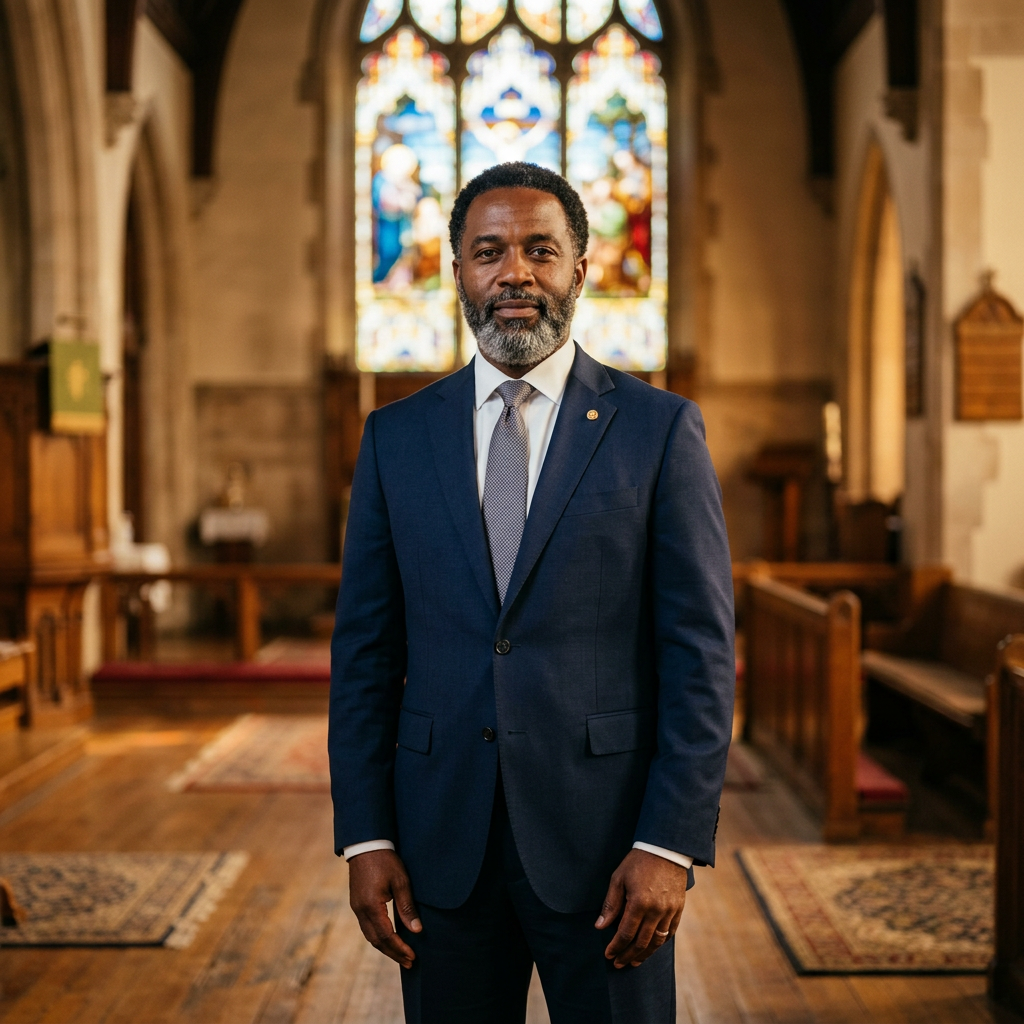
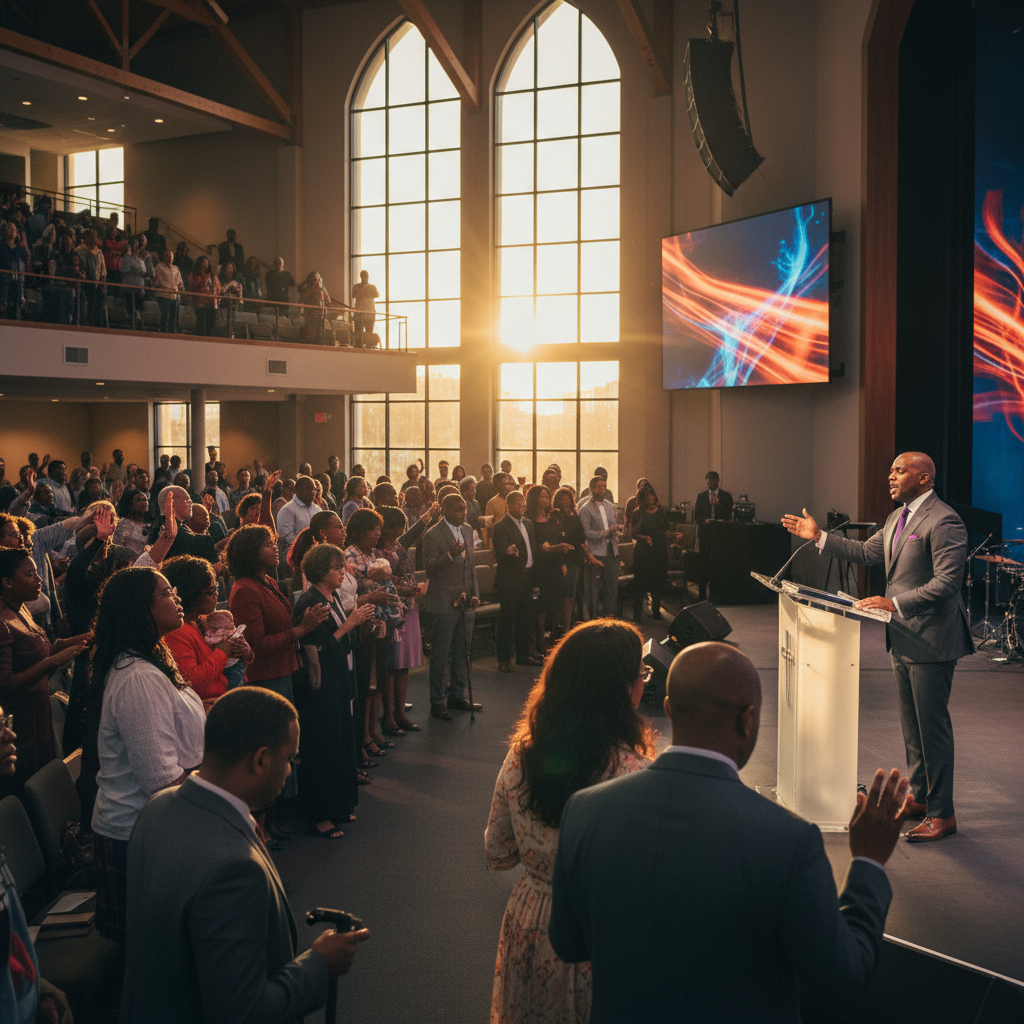
I want you to understand something before we go any further. The Black church in Atlanta was never simply a place of worship. It was a place of organizing. A place of feeding. A place of legal counsel and financial education and political mobilization and grief and celebration all held under the same roof by the same people who understood that faith without action is a beautiful sentiment that changes nothing.
Ebenezer Baptist Church on Auburn Avenue did not just preach the Gospel. It helped produce a movement that changed the legal structure of the entire nation. That was not despite the faith. That was because of it. Faith must move. It always has.
What Atlanta Built With Its Sundays
Here is a history that deserves to be spoken plainly. Atlanta's Black community built its most enduring institutions on Sunday morning. The credit unions. The HBCUs. The civic organizations. The political infrastructure that today produces governors and senators and mayors — that all has a root system that runs directly through the Black church.
Atlanta University Center — Morehouse, Spelman, Clark Atlanta, Morris Brown, Interdenominational Theological Center — these institutions exist because Black churches believed in the education of their people and put resources behind that belief when nobody else would.
We are called to build. That calling did not expire. It simply expanded to include more tools and more urgency.
The Pressure the City Is Under Right Now
Let me speak directly to what is happening in Atlanta's Black neighborhoods right now, because I have been in enough living rooms and enough community meetings to know that the fear is real.
Gentrification is not an abstraction. It is a specific set of policies and investments that systematically displace Black residents from neighborhoods they built. West End. Old Fourth Ward. Vine City. English Avenue. These are not declining neighborhoods that outsiders rescued. These are communities with deep roots that attracted investment once the hard work of stabilization was done — by the people who lived there.
Faith in this context is not passive. Faith in this context says: we will organize, we will own property, we will vote in every local election, we will build the institutions that serve our people regardless of who controls the surrounding blocks. We are called to build — and building includes resistance to displacement.
The Congregation Has Always Been the Community
Something is shifting in how Atlanta's Black community relates to spiritual community. The megachurch model that defined Black Atlanta for two decades is being supplemented by smaller, intensely community-rooted congregations. Young Black professionals are seeking spiritual homes that connect faith to social justice, financial empowerment, and mental health in explicit terms.
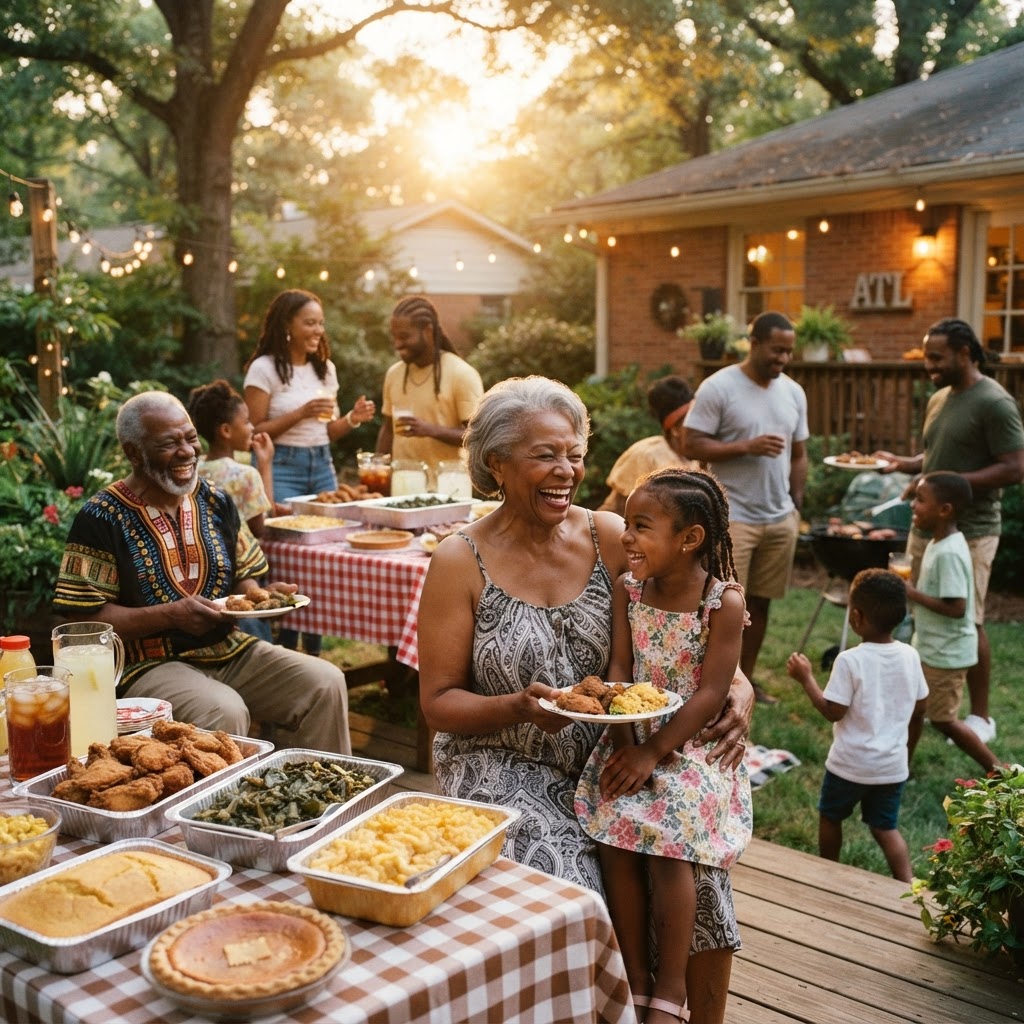
New Birth. Ebenezer. Big Bethel. These institutions carry decades of legacy. But alongside them, new faith communities are forming — in living rooms, on rooftops, in community centers — that are doing the ancient work of the Black church: feeding the hungry, educating the young, speaking truth to power, and holding community together when the surrounding systems fail it.
I am not worried about the Black church in Atlanta. I am watching it transform. Transformation is not the end of a thing. It is the continuation of it.
What We Are Called to Do This Week
I want to close with something practical, because a sermon that doesn't land in your Monday is a performance, not a message.
This week: attend one community meeting in your neighborhood. Not a party. Not a networking event. A meeting where decisions are being made about the places you live and worship and raise your children. Show up. Speak. Stay until it's over.
This week: support one Black-owned business that is also a community institution. The barbershop that sponsors the little league team. The restaurant that feeds seniors on Sundays. The bookstore that hosts the tutoring program. Spend money with intention.
Faith must move. It must move in the voting booth and the city council meeting and the real estate closing and the classroom and the kitchen and the Sunday service. Atlanta's Black community has never needed saving from outside. It has always needed mobilizing from within.
We are called to build. The blueprint is already written. We just have to show up and do the work.