Let Me Introduce You to the Real Atlanta Economy
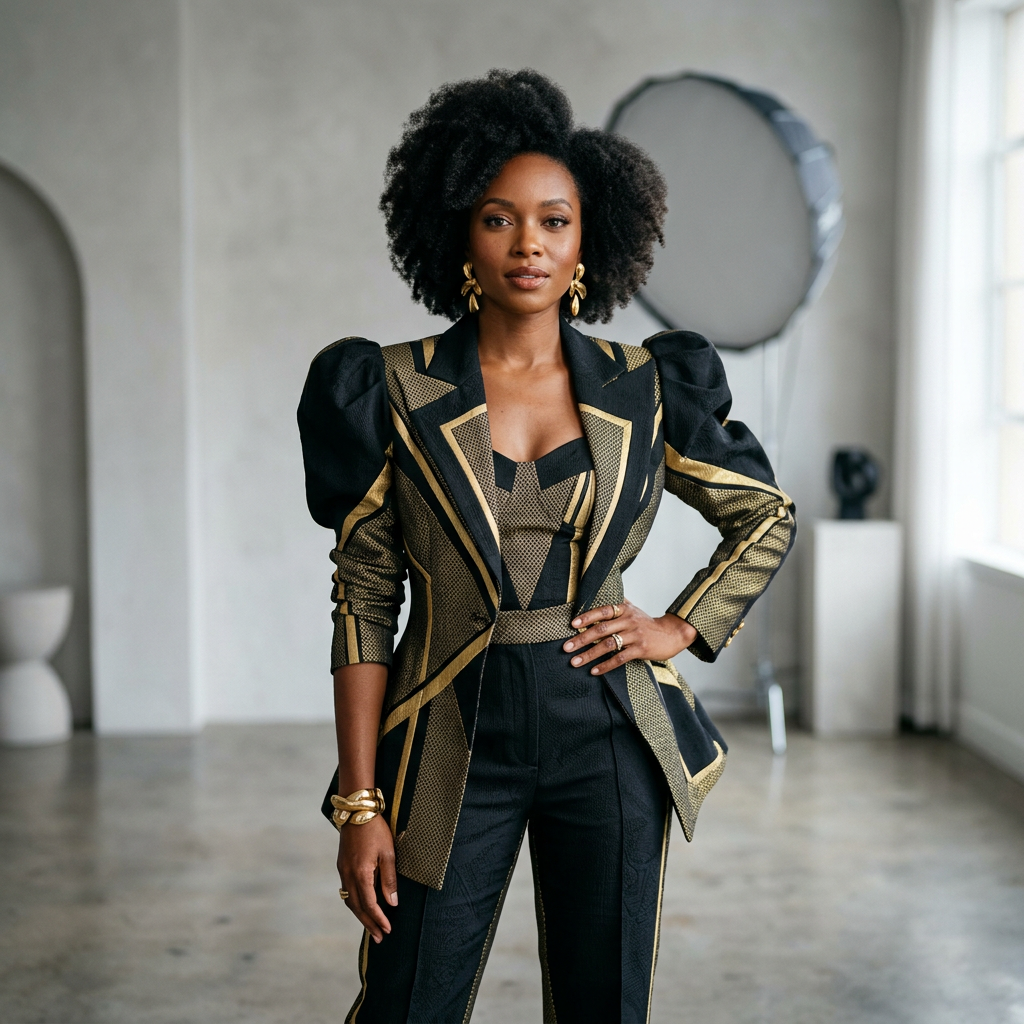
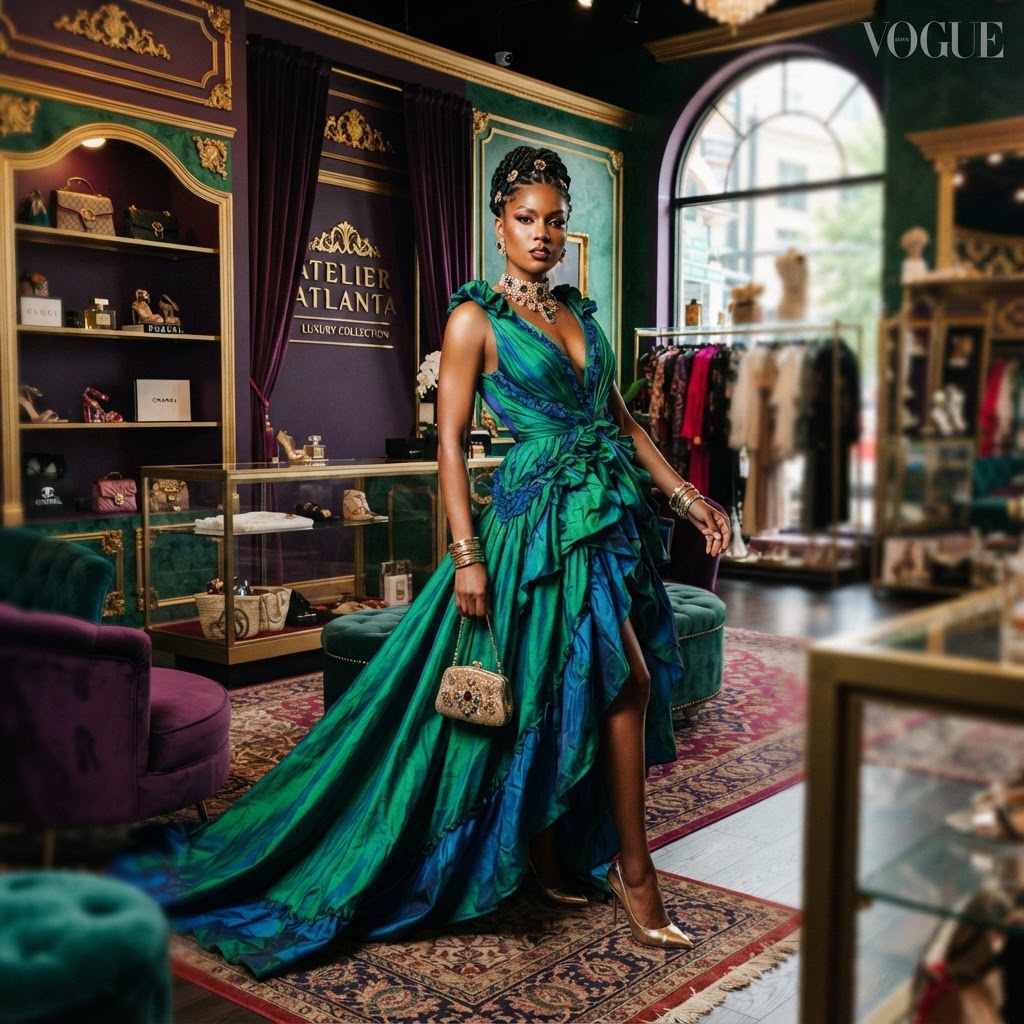
While everyone is talking about Atlanta's startup scene and the film industry and the corporate relocations, there is a parallel economy running that doesn't get nearly enough coverage. It is built primarily by Black women. It operates largely through Instagram DMs, word of mouth, and an informal network of women who are genuinely invested in each other's success. And it is producing six and seven figure businesses with a regularity that should be studied.
I know these women. I am adjacent to these women. Let me tell you what they're doing and how they're doing it.
The Pattern Is Not an Accident
There is a specific sequence I have watched play out repeatedly in Atlanta's Black women entrepreneurship community. It starts with a skill — something they do exceptionally well, often something they developed professionally or out of personal necessity. Hair. Finance. Social media strategy. Event planning. Legal document prep. Nutrition coaching. The skill is there, refined, and being given away for free or severely underpriced.
Then something shifts. Sometimes it's a layoff. Sometimes it's a conversation with another entrepreneur. Sometimes it's just the accumulation of evidence that the skill is worth more than the salary paying for it. And the business begins.
"I was doing for clients in a weekend what was taking my corporate team a month. That's when I knew." — Atlanta brand strategist, $380K revenue, year two.
What They're Actually Building
Digital Products and Education: Atlanta's Black women educators and coaches have built a digital product economy that operates independently of any platform algorithm. Courses, templates, memberships, group coaching programs — these are scalable products that generate revenue without requiring the founder's constant presence. The margins are extraordinary.
Service Businesses with Systems: The most successful service businesses I've watched scale in Atlanta are built on systems, not heroics. The founder is not doing everything. They built a process, documented it, hired people to execute it, and focused their personal energy on business development and client relationships. This is the difference between a freelancer and a CEO.
Product Brands: Atlanta's Black women product founders are particularly formidable in beauty, wellness, and food. They understand their customer intimately because they are their customer. The authenticity of that positioning is something no amount of market research can replicate.
The Resources That Are Actually Helping
The Women's Entrepreneurship Initiative at Georgia Tech. The Atlanta Women's Foundation grant programs. The SBA Women's Business Center in Atlanta. These are real resources with real funding and real mentorship. The women accessing them are not the exception — they are the ones who took the time to look.
More than any program, though, the resource that Atlanta's Black women entrepreneurs cite most consistently is community. The group chats. The masterminds. The annual retreats organized by women who refused to compete when collaboration was available. This city has built an infrastructure of peer support for Black women in business that I have not seen replicated anywhere else.
What It Requires
I am not going to pretend it is effortless. These women work. They work on weekends and during lunch breaks and after the children are asleep. They invest in themselves — courses, coaching, tools — before the revenue justifies it. They handle rejection and slow months and clients who don't pay on time and the persistent voice that asks whether this is really going to work.
What makes Atlanta's Black women entrepreneurs different is not that they don't face those obstacles. It's that they face them together. And together, they are building something that this city will be talking about for the next twenty years.