You Cannot Understand Atlanta Without Understanding the AUC
There is an invisible infrastructure running underneath Atlanta's most visible success stories. It connects the law firm partner to the city councilmember to the tech founder to the minister to the real estate developer. It was forged in dormitories and dining halls and chapel services in the Atlanta University Center, and it has been operating continuously since before the Civil Rights Movement gave it its most famous chapter.
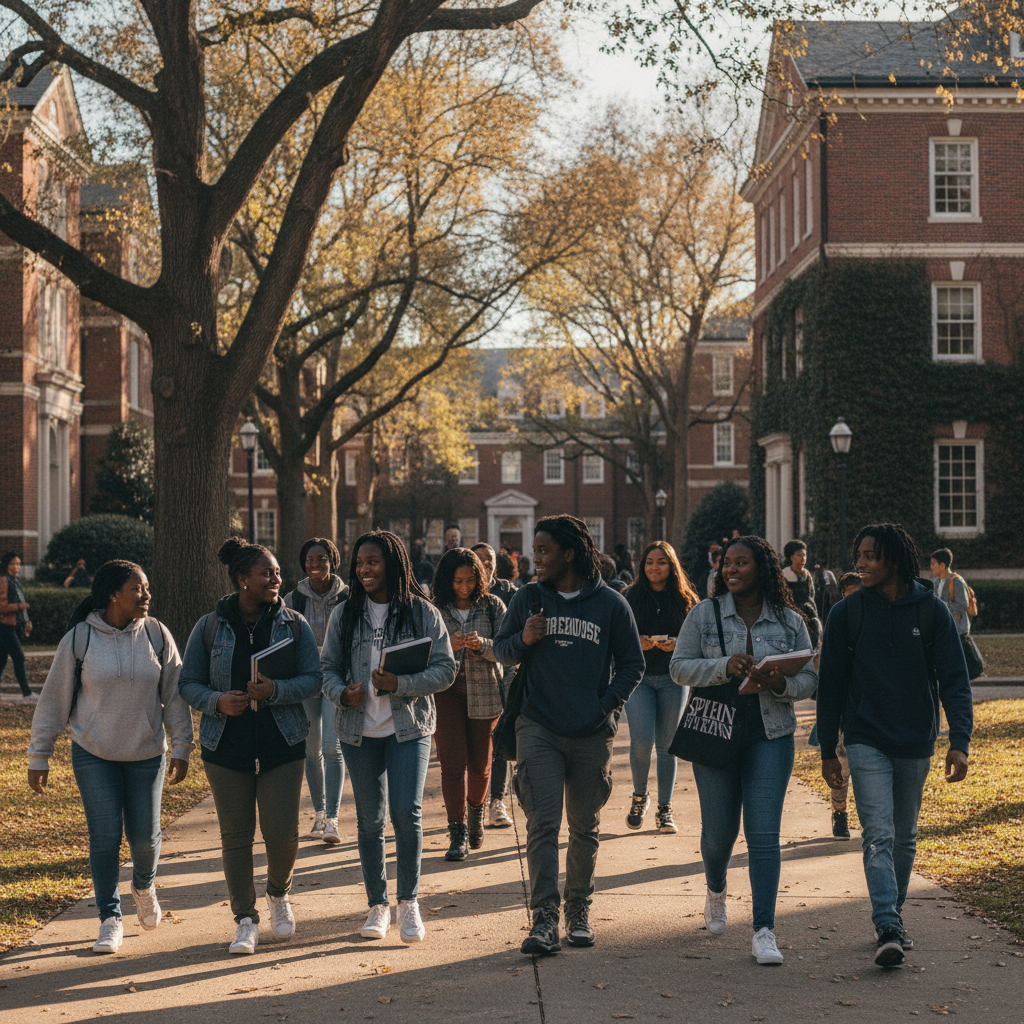
The Atlanta University Center — Morehouse, Spelman, Clark Atlanta, Morris Brown, and the Interdenominational Theological Center — is not merely a collection of historically Black colleges. It is the intellectual and social infrastructure of Black Atlanta. And its graduates run this city in ways that are rarely acknowledged outside the community itself.
The Network That Doesn't Advertise Itself
I went to Morehouse. I know how this works from the inside. On my first day of orientation, an upperclassman told me something I didn't fully understand until years later: "Every room you walk into for the rest of your life, there's probably a Morehouse man or a Spelman woman already in it. Act accordingly."
He was right. I have been in venture capital offices and boardrooms and government buildings and entertainment industry meetings across this country. In almost every significant room, I have found the network. A Morehouse brother across the table. A Spelman sister in the corner office. A Clark Atlanta alum running the department. The handshake is different when you share that specific experience. The trust starts at a different baseline.
Why the HBCU Experience Produces What It Produces
People from outside the HBCU tradition sometimes ask me what makes the network so durable. The answer is that Morehouse and Spelman don't just produce professionals. They produce people who have been told — explicitly, repeatedly, and in an environment designed entirely around that message — that Black excellence is the standard, not the exception.
Four years of that is transformative in a way that is difficult to overstate. When you spend your formative professional years in an environment where the professors are Black, the administrators are Black, the student body leaders are Black, and the visiting speakers demonstrating what success looks like are Black — your internal picture of what is possible for you is permanently altered.
That altered picture produces ambition. That ambition produces achievement. That achievement builds the network. The network sustains the culture. The culture produces the next generation.
The Impact on Atlanta Specifically
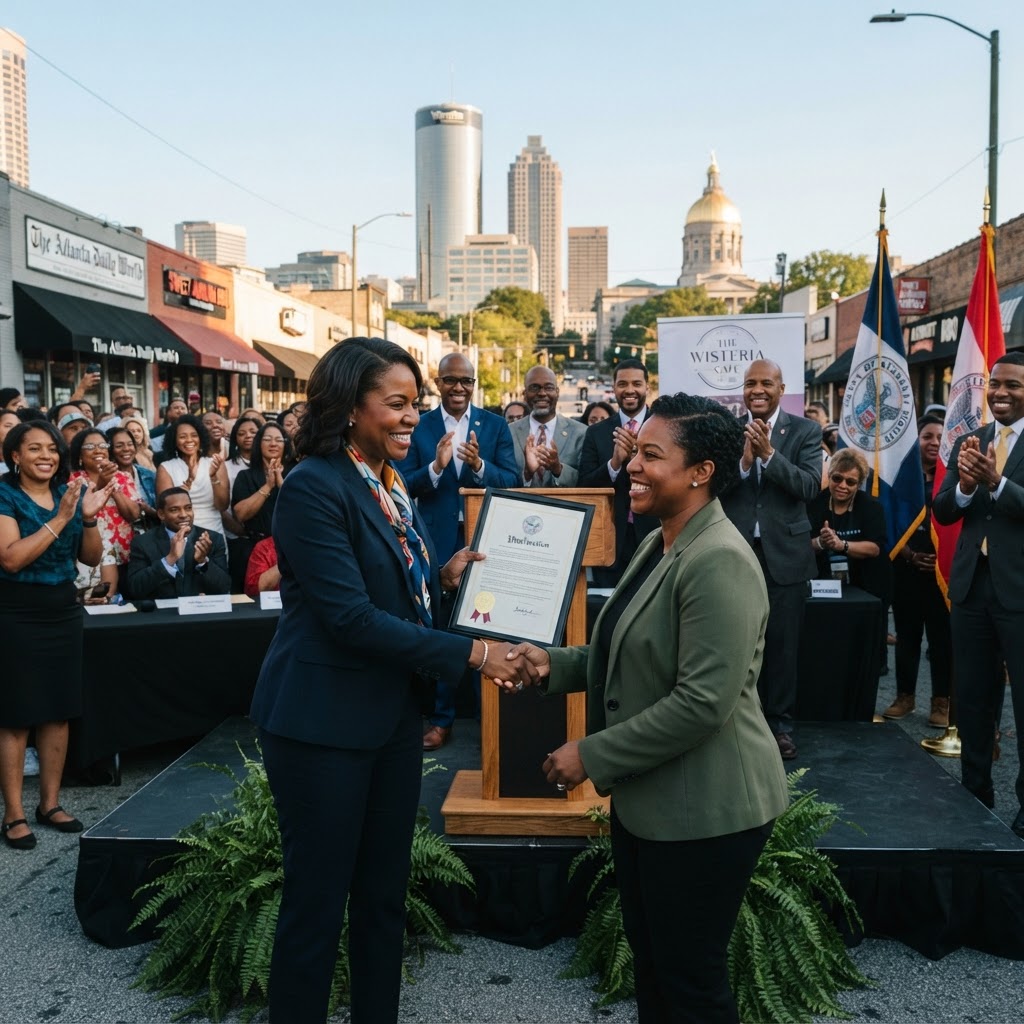
Atlanta's Black professional class is disproportionately AUC-educated. The city's Black law firms, Black medical practices, Black political infrastructure, Black entertainment industry — trace the leadership and you will find HBCU roots at a rate that is statistically remarkable.
Maynard Jackson, Atlanta's first Black mayor — Morehouse man. His successor, Andrew Young — Hartford Seminary, yes, but AUC adjacent in every meaningful way. The current generation of Atlanta's Black civic leaders carries that lineage forward. It is not coincidence. It is a tradition of producing people prepared to lead.
What This Means If You're Sending Your Child
If you are considering Morehouse or Spelman for your son or daughter, here is what I want you to understand. You are not just choosing a school. You are choosing a network that will operate on your child's behalf for the rest of their career. You are choosing an environment that will tell them who they are and what they're capable of at the exact moment in life when that message matters most.
The return on investment is not just the diploma. It is the roommate who becomes the business partner. It is the professor who becomes the mentor. It is the alumni network that picks up the phone when your child calls because the obligation to the community is woven into the culture of the institution itself.
This is why Morehouse and Spelman graduates run Atlanta. Not because they were given anything. Because they were prepared differently. And they have been paying that preparation forward for over a century.