Before Atlanta, There Was a Basement
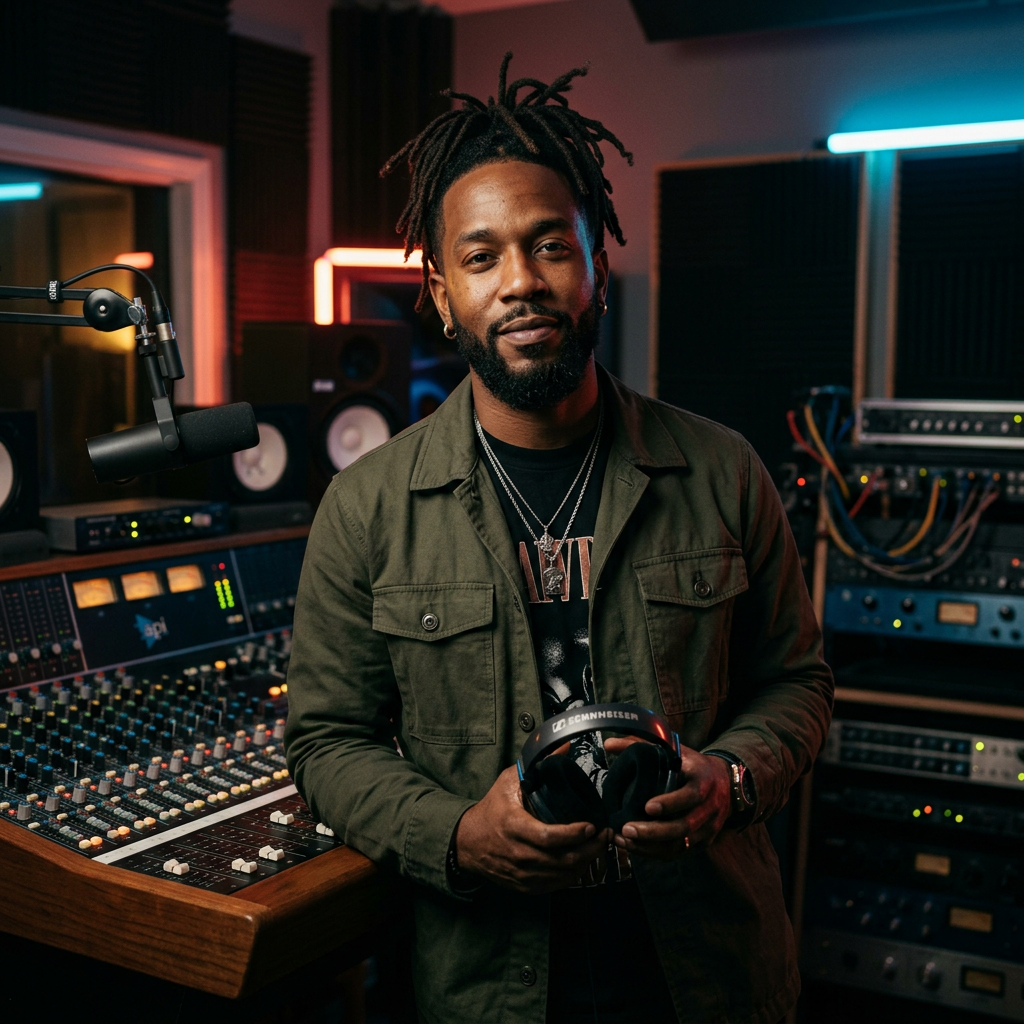
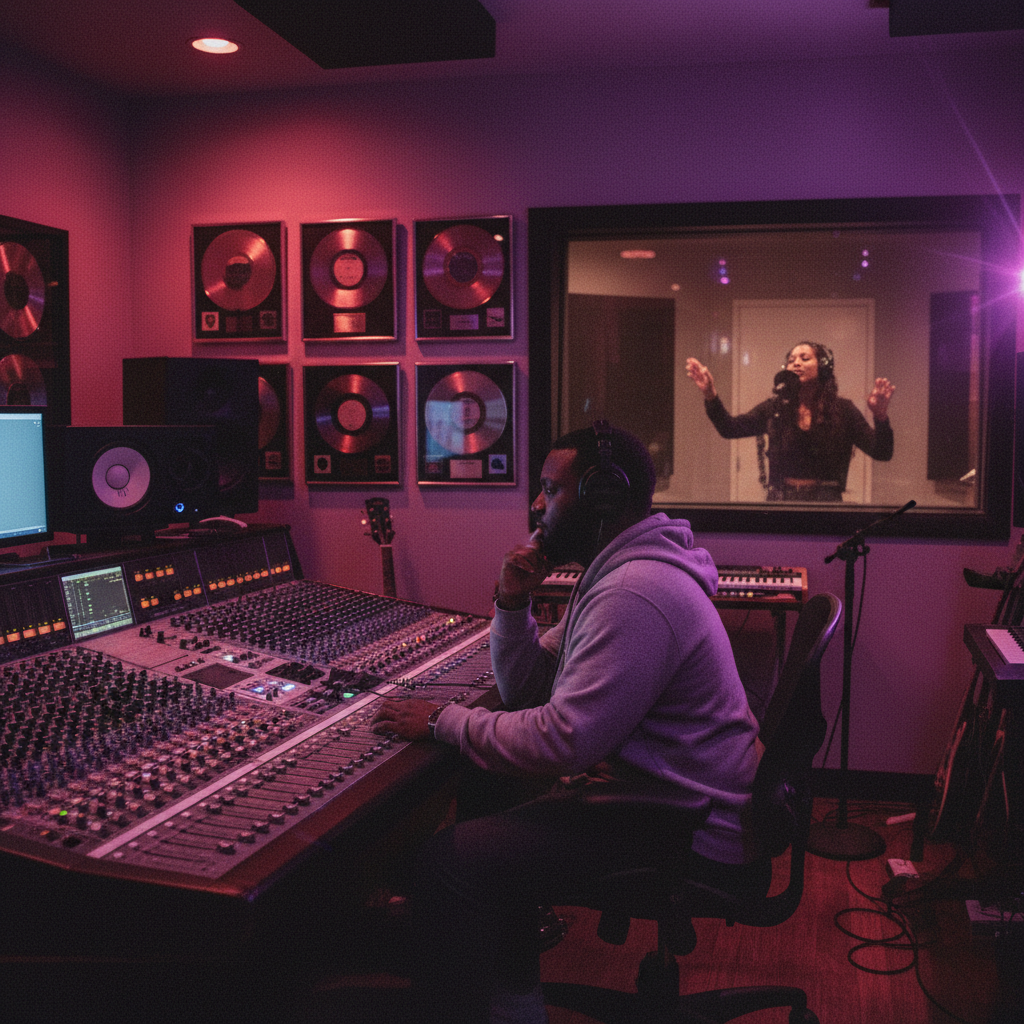
The story of Atlanta hip-hop doesn't start on a stage. It doesn't start at a label. It starts in a basement on Lakewood Way in South Atlanta, 1992. The Dungeon — a cramped, cluttered recording space that smelled like incense and ambition — is where a collective of young Black men from the Southside were building something the world did not yet have a name for.
Goodie Mob. OutKast. Organized Noize. They weren't trying to sound like New York. They weren't trying to sound like L.A. They were trying to sound like themselves. Like red clay and summer heat. Like fried fish on a Friday. Like a city that the rest of the country perpetually underestimated. That defiance became an aesthetic. That aesthetic became a genre. That genre became the most dominant sound in popular music for the next three decades.
Atlanta set the tone. Long before anyone admitted it.
The '90s — When the South Had Something to Say
In 1994, when OutKast took the stage at the Source Awards and Andre 3000 declared "the South got something to say" — and got booed for it — the room revealed everything about where the music industry stood. New York owned hip-hop. Los Angeles had its lane. The South was tolerated at best, dismissed at worst.
That moment is now a monument. Not because Andre was angry. Because he was right. Southernplayalisticadillacmuzik had already established a new grammar for hip-hop. Slow, syrupy, trunk-rattling bass. Storytelling that smelled like Georgia. A cadence that felt like taking your time on purpose.
Goodie Mob answered the same year with Soul Food — an album that was equal parts street documentation and spiritual reckoning. Cee-Lo Green's voice alone was unlike anything the genre had produced. These weren't imitators. These were originators.
The 2000s — T.I., Crunk, and Atlanta's First Empire
The 2000s belonged to Atlanta the way the 1980s belonged to Motown. T.I. built the architecture of what it meant to be a rapper-businessman before the term was fashionable. Trap Muzik in 2003 wasn't just an album. It was a declaration of a new subgenre — trap — that would eventually absorb the entire mainstream.
Meanwhile, Lil Jon and the Eastside Boyz gave Atlanta its second export: crunk. Loud, aggressive, minimalist production built for pure physical response. Crunk wasn't trying to be literary. It was trying to make you lose your mind at 1am. In that mission, it succeeded globally.
Young Jeezy arrived in 2005 with Let's Get It: Thug Motivation 101 and collapsed the distance between street credibility and commercial success. The Snowman hoodie became a cultural artifact. This isn't a moment — it's a movement. Atlanta's first empire was complete.
The 2010s — Future, Migos, and the Sound That Ate the World
If the 2000s established Atlanta as a power, the 2010s confirmed it as the capital. Future invented an emotional register that didn't previously exist in rap — hedonistic melancholy, vulnerability masked as flex, autotune deployed as confessional. Pluto changed the rules. Producers worldwide spent the back half of the decade trying to reverse-engineer what he was doing intuitively.
Migos brought Quavo, Offset, and Takeoff and gave us the triplet flow — a rhythmic pattern so infectious that it spread across genre lines, inspiring everything from country to pop. Culture in 2017 was not an album. It was a cultural reset.
21 Savage relocated from Birmingham to Atlanta and became Atlanta. His monotone delivery and unflinching narratives added a new texture to the city's sound. Lil Baby emerged from Eastside Atlanta in 2017 with minimal formal training and an uncanny gift for melody that made three-minute rap songs feel like novels. The city kept producing — relentlessly, almost absurdly.
Today — Gunna, the New Generation, and What Comes Next
Gunna's contribution to Atlanta's sonic legacy is the complete weaponization of texture. Drip Season wasn't just a mixtape. It was a thesis statement on atmosphere — how production, delivery, and cadence could make a listener feel like they were inside something rather than just listening to it.
The current generation — Lil Durk's Atlanta collabs, Yung Bleu, Chloe Bailey, 6LACK, Summer Walker — are working in a tradition that is now so established it can absorb R&B, pop, and indie aesthetics without losing its core identity. Atlanta hip-hop doesn't have an identity crisis. It has an identity surplus.
This isn't a moment. It is a movement that has been moving for thirty years. And it was born in a basement on Lakewood Way, in a city the rest of the world told to sit down and wait its turn.
Atlanta doesn't wait. Atlanta leads.